


MUSE/IQUE Will Bring BACK TO OZ to the Mark Taper Forum
There are seven performances presented in partnership with Center Theatre Group between April 18 and 26, 2026.
 Click for Tickets
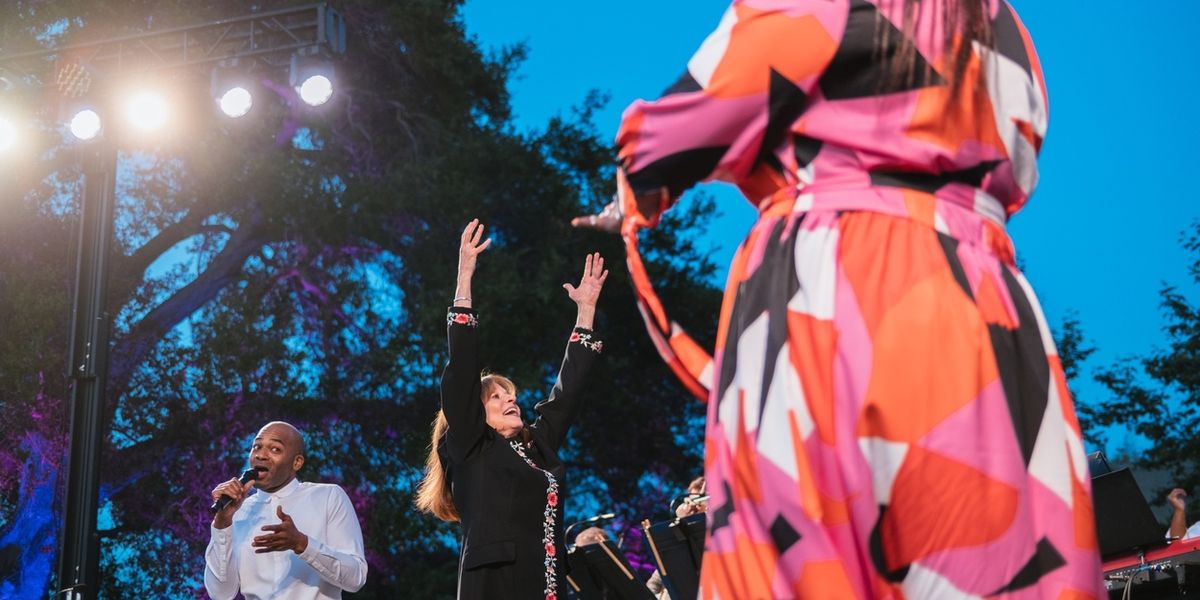
MUSE/IQUE will present BACK TO OZ: From the Wonderful Wizard to The Wiz, to Wicked -- An American Fairy Tale, led by Artistic & Music Director Rachael Worby with Carmen Cusack, LaVance Colley, Nathan Granner, the DC6 Singers Collective and the MUSE/IQUE Orchestra. There are seven performances presented in partnership with Center Theatre Group between April 18 and 26, 2026 at the Mark Taper Forum.
When L. Frank Baum's The Wonderful Wizard of Oz was published in 1900, Dorothy's adventures in Oz with her band of misfit companions became the defining American fairytale, one that has been musically reimagined time and time again – from the Golden Age of Hollywood to the heyday of Motown to the heights of Broadway -- representing the underdog and radical hope in the face of fear, and always interrogating the question: what do we mean when we say “home”?
Songs like “We're Off to See the Wizard,” “Home,” and “For Good” are an unforgettable exploration of the self and our shared humanity paying tribute to the hope in us all. The land and stories of Oz are from the books by L. Frank Baum. The now iconic songs and stories are generated by all three of the musical versions by some of the greatest talents of the century of Oz: E.Y. Harburg, Harold Arlen, and the credited screenwriters Noel Langley, Florence Ryerson, and Edgar Allan Woolf of the original MGM film; composer-lyricist Stephen Schwartz and librettist Winnie Holzman of Wicked; and playwright William F. Brown and composer-lyricist Charlie Smalls -- who in his short life wrote his only musical, The Wiz.”
On April 23, 700+ local middle and high school students will experience the stories and heart behind The Wizard of Oz tales, through MUSE/IQUE's growing Student Matinee program. Thank you to our MUSE/IQUE members for supporting our nonprofit's mission to provide immersive live music experiences to more and more people in our community.
Why has this story so thoroughly captivated everyone from novelist Salmon Rushdie to filmmakers John Waters and David Lynch to singer/songwriters like Elton John -- not to mention children and adults across multiple generations -- for the past 126 years?
For many of them, it all started with the 1939 MGM musical starring Judy Garland. Rushdie argued that the driving force of The Wizard of Oz was “the inadequacy of adults, even of good adults. And how the weakness of the grown-ups forces children to take control of their own destinies, and so, ironically, grow up themselves.”
Waters, who saw The Wizard of Oz countless times as a child, admitted that “I always rooted for the witch.” He elaborated: “I was the only kid in the audience who couldn't understand why Dorothy would want to go home. It was a mystery to me. To that awful black-and-white farm, with that aunt who was dressed badly, with smelly farm animals around, when she could live with winged monkeys and magic shoes and gay lions. I didn't get it."
The Judy Garland classic became a favorite of millions in both its original release and in reruns and home video across subsequent decades -- a sacred text for so many queer artists (“friends of Dorothy”) and other “misfits” who identified with Dorothy, the Scarecrow, the Tin Man, and the Cowardly Lion. “Over the Rainbow” was the perfect escapist ballad of the Depression era that turned into a timeless torch song, covered by hundreds. The “rainbow” represented not just the Technicolor wonderland that Dorothy enters but the many-colored stripes of so many groups and individuals who longed to escape the black-and-white confines of their particular context.
There was another group who saw themselves in the story – Black Americans – who in the 1970s were thrilled to see, and hear, it told in a profoundly relatable way.
The Wiz, a new musical that premiered in 1974, translated Dorothy's adventures into the streets of Harlem in the style of gospel, soul, and contemporary R&B (composed by a team including Charlie Smalls and Luther Vandross). Continuously mounted ever since, it would become “a vibrant cornerstone of Black culture,” as Naveen Kumar wrote in The New York Times. “The show blends Afrofuturism with classic Americana to enact a sort of creative reparation, reframing an allegory about perseverance and self-determination to feature Black characters who, in the '70s, had rarely appeared in popular children's stories.”
A 1978 film version starred Diana Ross and Michael Jackson, produced by Motown Productions and musically supervised by Quincy Jones – which, despite failing to connect with audiences and critics in the moment, went on to be “a trippy favorite of family living rooms for multiple generations,” wrote Kumar.
American writer Gregory Maguire, much like John Waters, found himself drawn to the Wicked Witch – and his 1995 hit novel Wicked imagined the story from her perspective, interrogating how societies define and punish what they deem “wicked.” Stephen Schwartz's 2003 musical adaptation became a Tony-winning phenomenon – making $1.8 billion on Broadway and $6.2 billion globally, and seen by an estimated 50 million people around the world.
Twenty years later it became a pop culture colossus once again with the
back-to-back blockbuster films Wicked and Wicked: For Good, directed by Jon Chu and starring Cynthia Erivo and Ariana Grande. Together, the Wicked films grossed more than $1 billion worldwide and earned ten Oscar nominations.
Erivo felt an immediate connection to Elphaba, the titular witch who is bullied for being green. “I think everyone who's played Elphaba has an understanding of what it means to be an outsider,” she said. “But I think there's an even more direct line when part of her outsideness is the color of her skin. I know what it feels like to walk into a room and be the only one, much like most Black women know in big spaces where they're the only one.”
Wicked expanded the power and lessons of Oz to speak to even more “outcasts” and folks who feel othered, and its pop-Broadway musical language resonated with new generations, yielding empowering ballads like “Gravity.”
BACK TO OZ speaks powerfully to this season's “Where the Heart Is” theme at MUSE/IQUE. Leaving home, missing home, returning home – L. Frank Baum's evergreen odyssey is a distinctly American fable, a story about homespun dreamers and pioneers but also about immigrants venturing through a new land and alienated outsiders who create found families that provide love and community as they overcome fear together. Perhaps that's why it has inspired such brilliant music from so many different corners of America -- from the Tin Pan Alley children of Jewish émigrés to a Black prodigy from Queens to queer legends of modern musical theater.
For more than a century, the mirror of Oz has reflected just about everybody – whether we're simple country folk wishing to be somewhere more exciting, or frightened visitors to a strange new world, whether we're naïvely popular insiders or marked as misfits or maybe just a little bit cowardly. Maybe we identify most with Dorothy or with the Wicked Witch -- or maybe the character who dreams of having a brain -- the wonderful thing about the story of Oz is that it sings for us all.
Sign up for all the news on the Fall season, discounts & more...
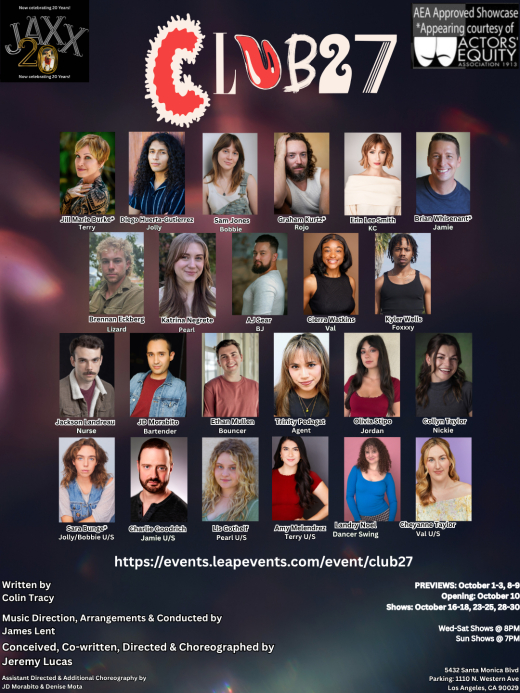
|
CLUB27 Jaxx Theatre (10/01-10/30) |
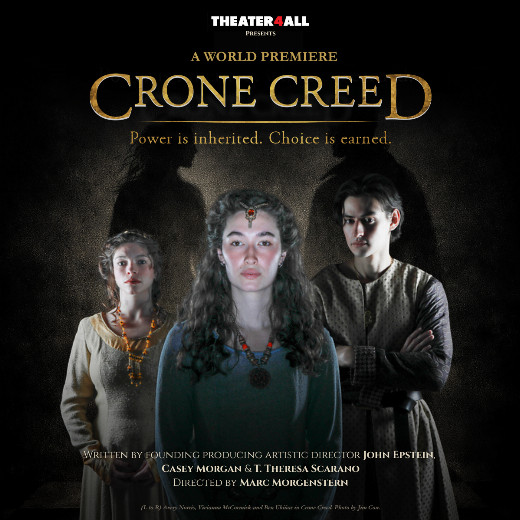
|
Crone Creed El Portal Theatre (9/30-10/17) |
|
Good Night, Oscar North Coast Repertory (9/16-10/11) |
|
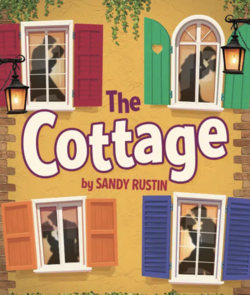
The Cottage North Coast Repertory (10/28-11/22) |
|
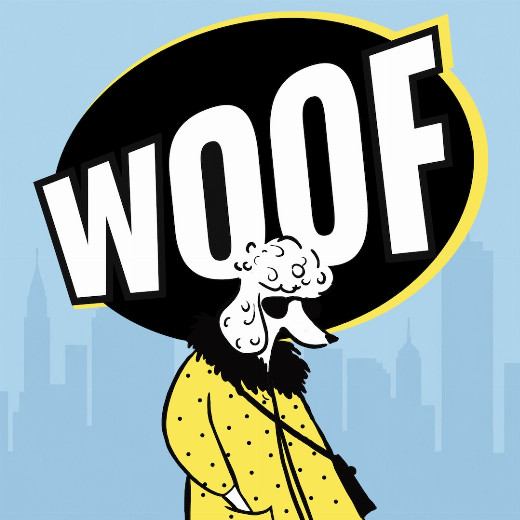
Woof Odyssey Theatre (10/03-11/08) |
|
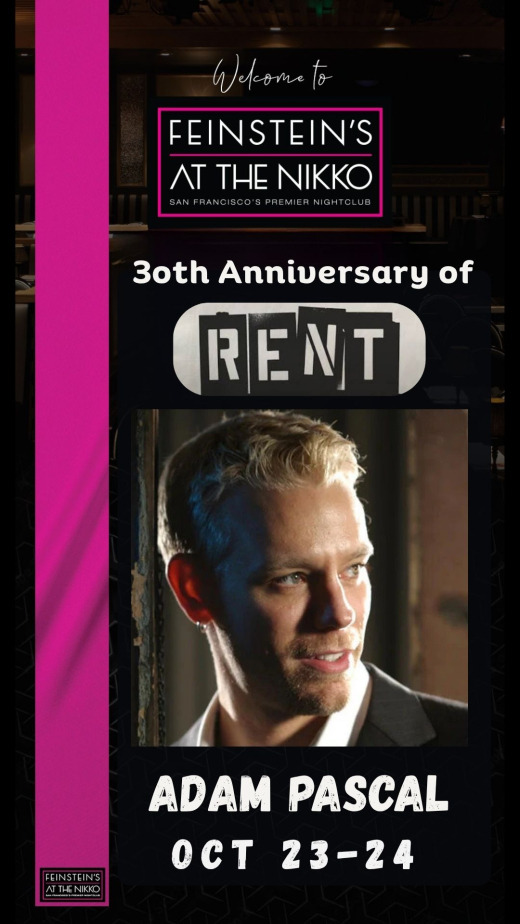
Adam Pascal Feinstein's at the Nikko (10/23-10/24) |
|
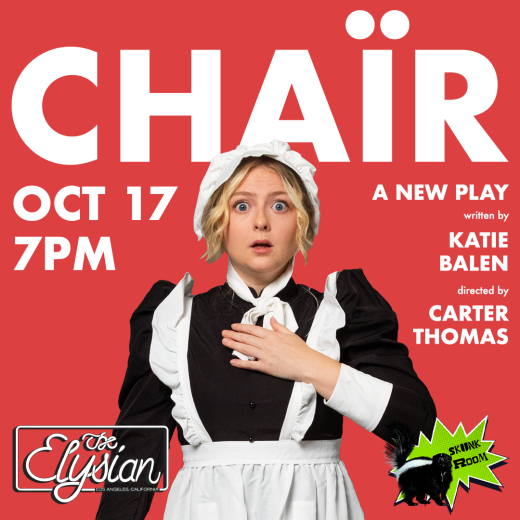
CHAÏR The Elysian Theater (10/17-10/17) |
|
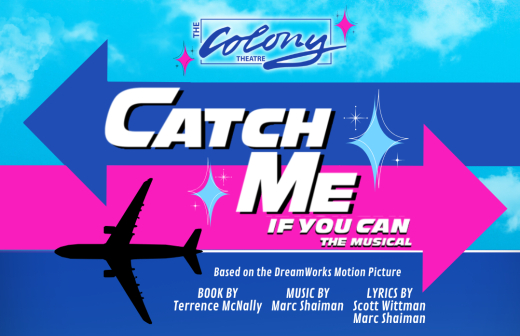
Catch Me If You Can Colony Theatre (9/17-10/18) |
|
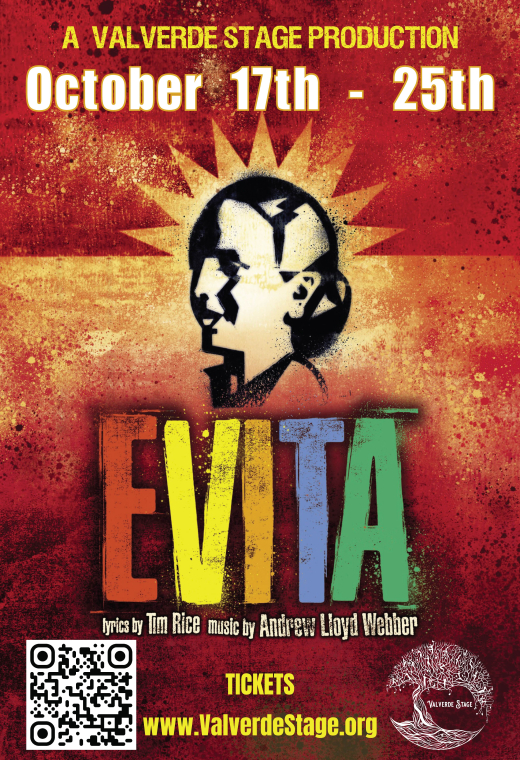
EVITA Valverde Annex (10/17-10/25) |
|
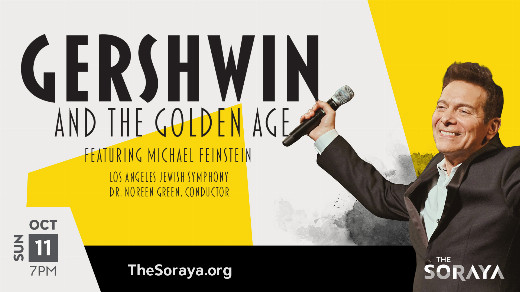
Gershwin and the Golden Age The Soraya (10/11-10/11) |
