


Kendall Square Orchestra to Present WHAT ENDURES At Sanders Theatre
Canadian violinist Adrian Anantawan, born without a right hand, performs Tchaikovsky's Violin Concerto in a program exploring defiance and adversity.
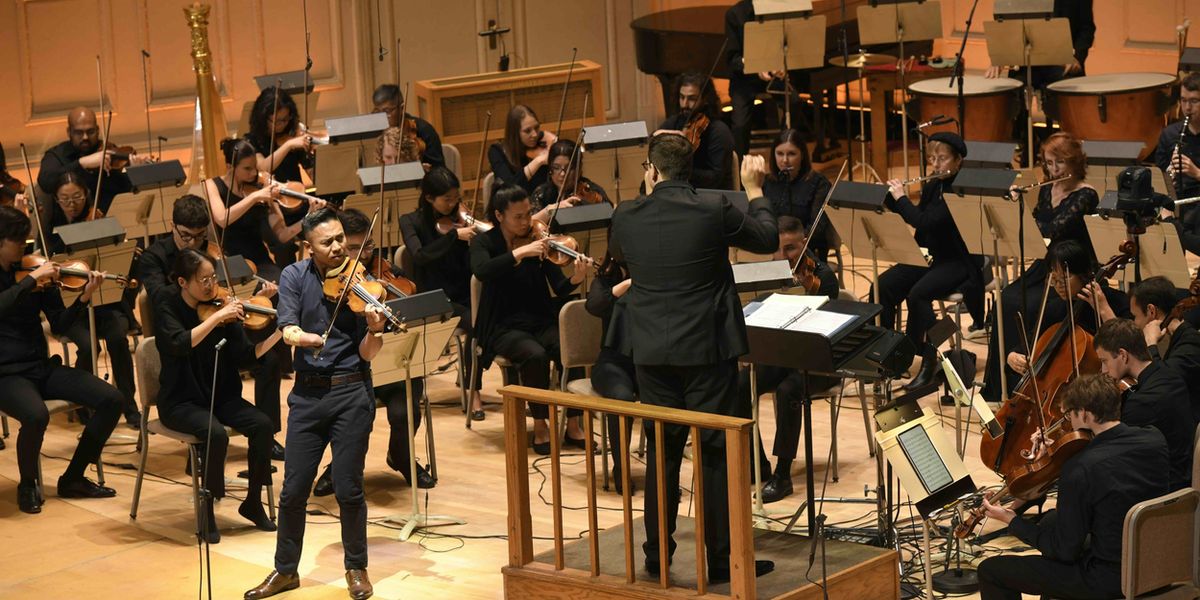
What survives when everything works against it? That is the question at the heart of "What Endures," the Kendall Square Orchestra's season-closing concert AT Sanders Theatre on Friday, May 15, 2026. Led by Music Director Kristo Kondakçi, the orchestra will perform three works united by a single theme: music that was written under conditions that should have made it impossible, and that has outlasted the forces arrayed against it.
The centerpiece of the evening is Tchaikovsky's Violin Concerto in D major, performed by Adrian Anantawan, a Canadian violinist born without a right hand and most of his right forearm. At ten years old, he chose the violin because, as he has said, "it was the most beautiful instrument." Working with biomedical engineers at a Toronto rehabilitation hospital, he developed an adaptive bowing device that he still uses, three decades later. He went on to study at the Curtis Institute of Music, Yale University, and the Harvard Graduate School of Education, working with Itzhak Perlman, Pinchas Zukerman, and Anne-Sophie Mutter. He has performed at the White House, the United Nations, and the Opening Ceremonies of the 2010 Vancouver Winter Olympics.
"Everyone in our audience is building something," said Kondakçi. "A company, a research program, a family, a life. And most of them have asked the same question in private: Will this last? This program reminds us that what we give ourselves to fully can last, and can matter, long after we're gone."
The concert opens with Carlos Simon's Fate Now Conquers, a 2020 orchestral work inspired by a journal entry Beethoven wrote in 1815, at the lowest point of his life. Nearly deaf and in financial ruin, Beethoven copied a line from Homer's Iliad: "But Fate now conquers; I am hers; and yet not she shall share in my renown." Simon's piece channels that defiant energy into a compact, intense orchestral statement.
The program closes with Brahms's Symphony No. 4 in E minor, his final symphony, written in the summers of 1884 and 1885 as he confronted his own mortality. The symphony stays in E minor through its final bars, delivering a clear, unflinching reckoning with fate that has become a cornerstone of the symphonic repertoire.
"Adrian changes the way you listen," Kondakçi says. "He found a way to meet the instrument on his own terms. What he calls 'the sound of possibility' is the feeling that nothing is decided for you. In the Tchaikovsky, you hear that possibility unfold in real time."
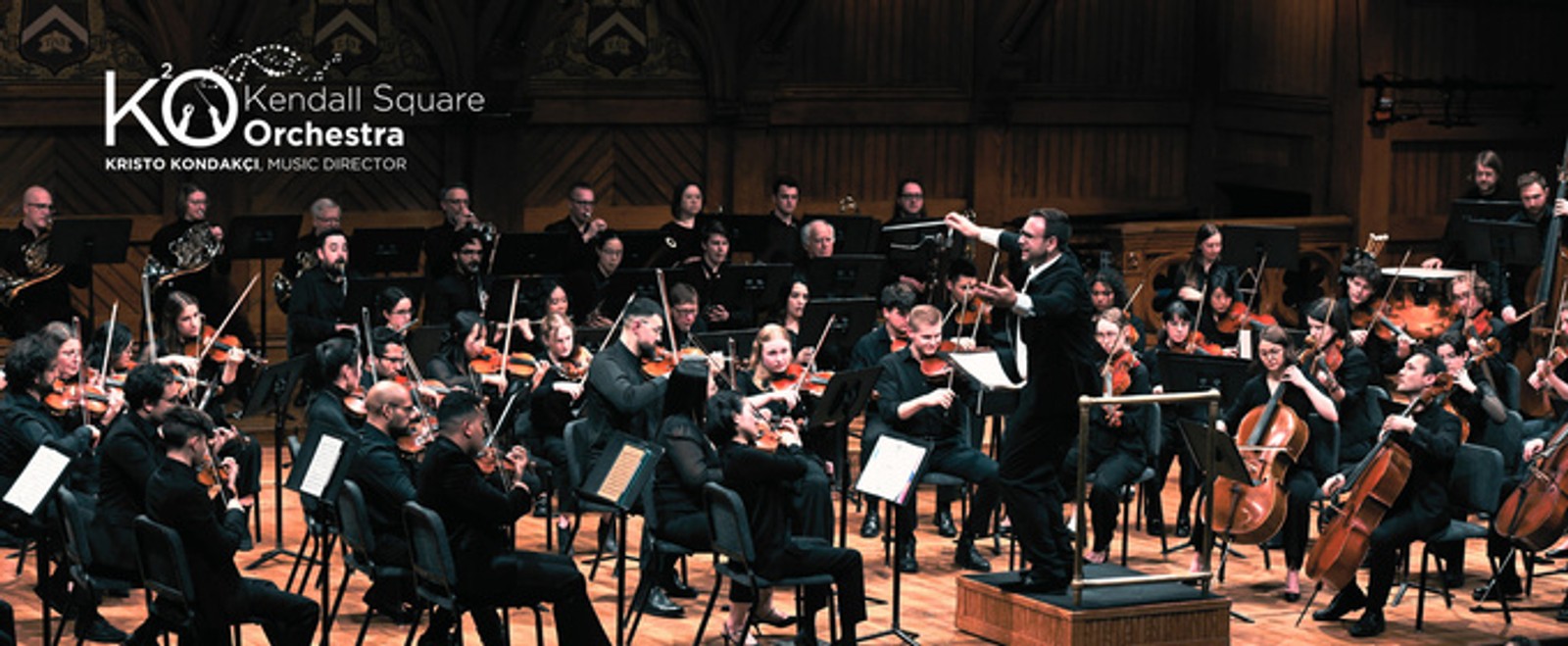
Set within Cambridge's innovation district, the Kendall Square Orchestra blends musical excellence with the spirit of scientific curiosity and community connection. With What Endures, audiences will experience a program that speaks directly to anyone who has built something under difficult conditions and wondered whether it would last.
Concert Information
The Kendall Square Orchestra presents "What Endures" AT Sanders Theater (45 Quincy Street in Cambridge MA) on Friday, May 15 at 7:30pm. Tickets cost $10-$50 and are on sale now at the Sanders Theatre Box Office: https://tickets.harvard.edu.
About Kendall Square Orchestra
The Kendall Square Orchestra (K²O) was founded in 2018 with the vision of harnessing the talents of classically-trained musicians in Cambridge's biotech/STEM industries to turn the concert hall into a space for connection, discovery, and purpose. The only compensation the musicians receive is the joy of performing their music for the community, which makes for uncommonly engaging performances.
With its mantra Orchestrate. Collaborate. Innovate., K²O has performed at biotech conferences, in Cambridge city parks, and at Boston's Symphony Hall. Its biennial Symphony for Science benefit brings together corporations, community partners, and audiences to raise awareness, funds, and hope for causes in healthcare, STEM education, and equity. Whether performing classical masterpieces or producing immersive, cause-driven events, K²O treats every performance as an experiment in connection - part art, part activism, all heart.
About Kristo Kondakçi, David and Janet McCue Music Director
Conductor Kristo Kondakçi is a visionary musical leader and civic innovator, praised by PBS, NPR, and The Boston Globe, for setting a new standard in orchestral leadership and public impact.
Born in Tirana, Albania, Kondakçi's artistic mission is shaped by his family's escape from Enver Hoxha's Communist regime. His grandfather was imprisoned for performing Western music, and his great-uncle, a virtuoso musician and physician, was executed. This legacy of courage and creativity fuels his conviction that music has the power to unite communities and speak across cultures.
He is co-founder of the Eureka Ensemble, which works with marginalized communities to address social issues through music, and also of the Women's Chorus at the Women's Lunch Place in Boston. During the COVID-19 crisis, Kondakçi co-launched Boston Hope Music with New England Conservatory and Massachusetts General Hospital, delivering therapeutic performances for patients and healthcare workers. He is a cover conductor of the Portland Symphony Orchestra and has collaborated with the Boston Landmarks Orchestra, the Malaysian Philharmonic Orchestra, and the Albanian National Orchestra, where his 2014 debut earned recognition as a cultural representative of the Albanian diaspora.
Kondakçi holds degrees in conducting and composition from the New England Conservatory. He is an Assistant Professor at the Berklee College of Music, where he teaches conducting and mentors the next generation of musical leaders. Known for artistic rigor and interpretive authority, he galvanizes musicians to perform at their highest level while advancing the mission of the ensembles he leads.
About Adrian Anantawan
Canadian-born violinist, educator, and disability advocate Adrian Anantawan holds degrees from the Curtis Institute of Music, Yale University, and the Harvard Graduate School of Education. As a violinist, he has studied with Itzhak Perlman, Pinchas Zukerman, and Anne-Sophie Mutter. Born without a right hand and most of his right forearm, Anantawan began playing the violin at age nine using an adaptive bowing device developed with biomedical engineers at the Holland Bloorview Kids Rehabilitation Hospital in Toronto. He has performed as soloist with orchestras across North America and internationally, and appeared at the White House, the United Nations, the Opening Ceremonies of the 2010 Vancouver Winter Olympics, and for Pope John Paul II and the Dalai Lama. He has presented recitals at Carnegie Hall's Weill Recital Hall and the Aspen Music Festival.
Anantawan is an associate professor at the Berklee College of Music, where he founded the Music Inclusion Ensemble. He is chair of music at Milton Academy and artistic director of Shelter Music Boston. Through the Virtual Chamber Music Initiative at Holland Bloorview, he has brought together researchers, musicians, doctors, and educators to develop adaptive instruments for young people with disabilities. He is a Juno Award nominee, a member of the Terry Fox Hall of Fame, and a recipient of the Diamond Jubilee Medal from Queen Elizabeth II for his contributions to the Commonwealth.

Sign up for all the news on the Fall season, discounts & more...
|
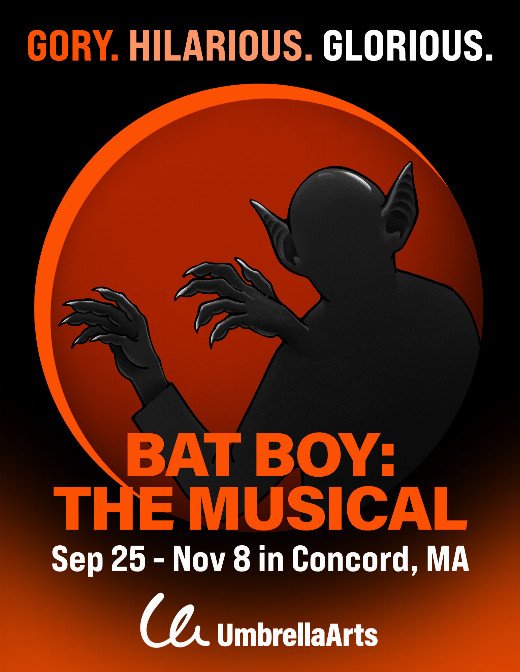
Bat Boy: The Musical Umbrella Arts (9/25-11/08) |

|
Brian Henson's Puppet Up! Boch Center Shubert Theatre (9/27-9/27) |
|
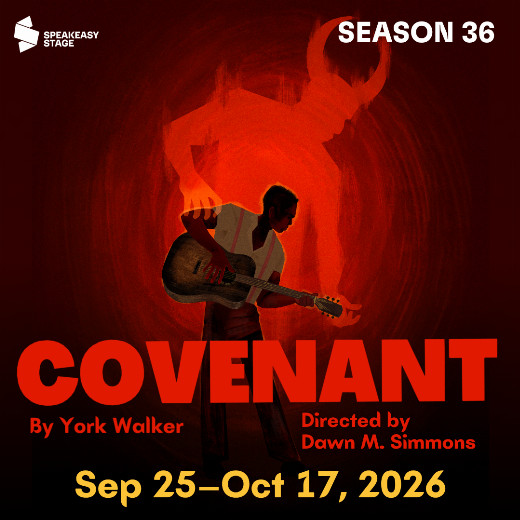
Covenant SpeakEasy Stage Company (9/25-10/17) |
|
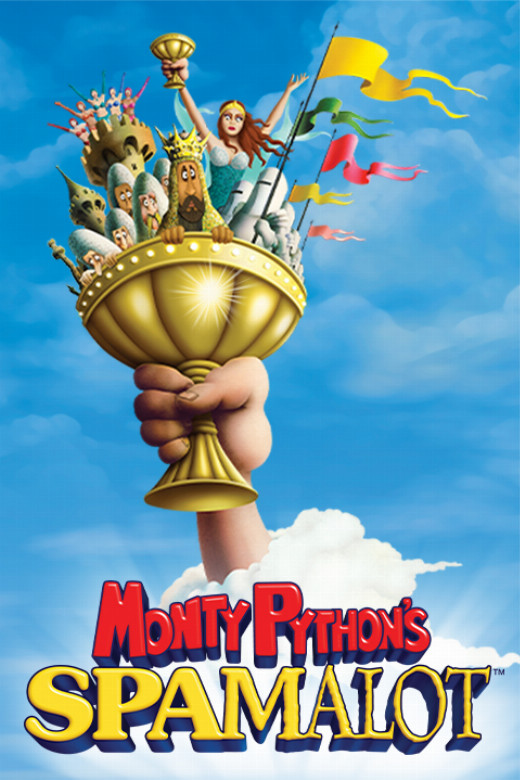
Monty Python's SPAMALOT Boch Center Wang Theatre (10/06-10/11) |
|
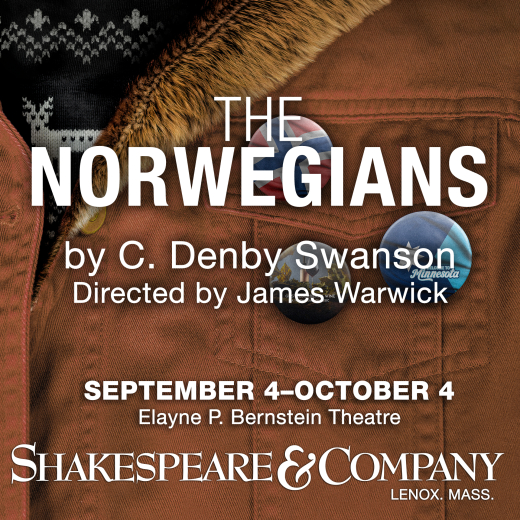
The Norwegians Elayne P. Bernstein Theatre (9/04-10/04) |

|
An evening with LaChanze Berklee Performance Center (11/01-11/01) |
|
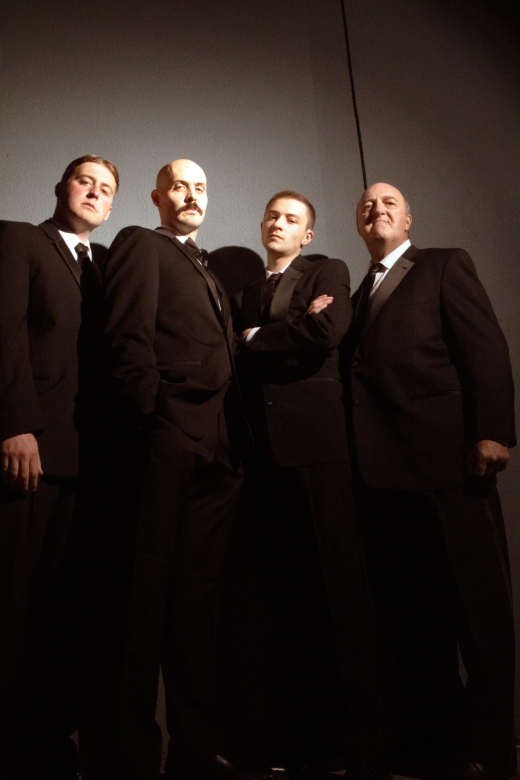
BOUNCERS by John Godber The Modern Theatre (10/01-10/24) |

|
This Is Your Song: The Elton John Songbook Norton Singers (10/02-10/03) |
|
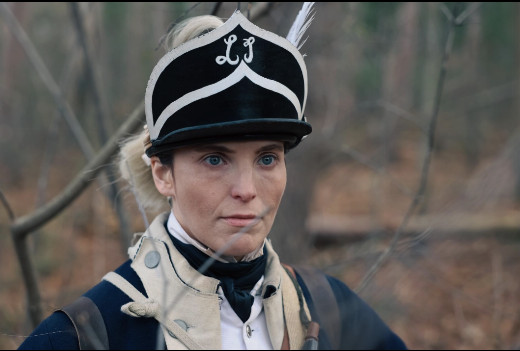
A Revolution of Her Own!™ Deborah Sampson Old North Church (11/06-11/06) |
|
Frozen The Company Theatre (11/27-12/20) |
