


Gilda Mercado Makes Her Shakespeare in the Park Debut in The Public Theater’s Groundbreaking Romeo & Juliet
The actress joined one of New York’s most celebrated theatrical traditions in Saheem Ali’s bilingual reimagining of Shakespeare’s timeless tragedy
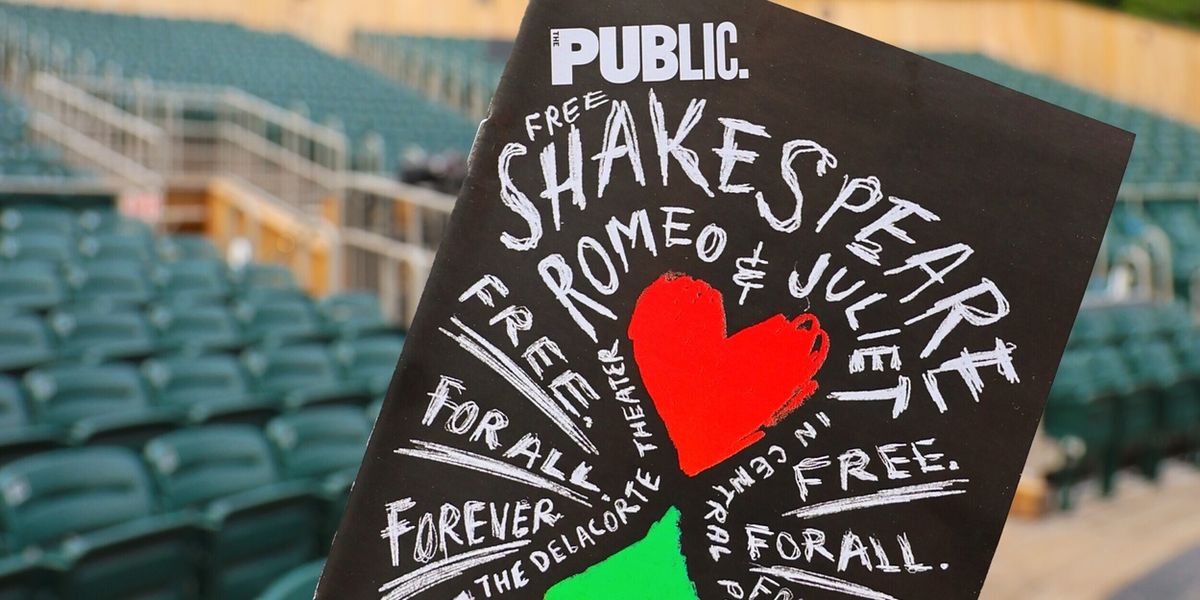
For generations, an invitation to perform at Shakespeare in the Park has represented one of the defining moments in an actor’s career. Each summer, beneath the trees of Central Park and before thousands of New Yorkers, The Public Theater transforms Shakespeare’s works into a living conversation with the present—bringing together generations of artists and audiences through the enduring power of live performance.
This season, actress Gilda Mercado became part of that tradition with her debut in The Public Theater’s acclaimed production of Romeo & Juliet, directed by Saheem Ali at the revitalized Delacorte Theater. The production marked the return of Shakespeare’s legendary story to the Park for the first time in nearly two decades, presenting a bold new interpretation that explored love, division, identity, and belonging through the lens of contemporary America.
For Gilda, the opportunity represented the realization of a long-held artistic ambition. A lifelong admirer of Shakespeare, she had always felt a particular connection to Romeo & Juliet, a work she considered one of the playwright’s most powerful explorations of human emotion, conflict, and the consequences of division.
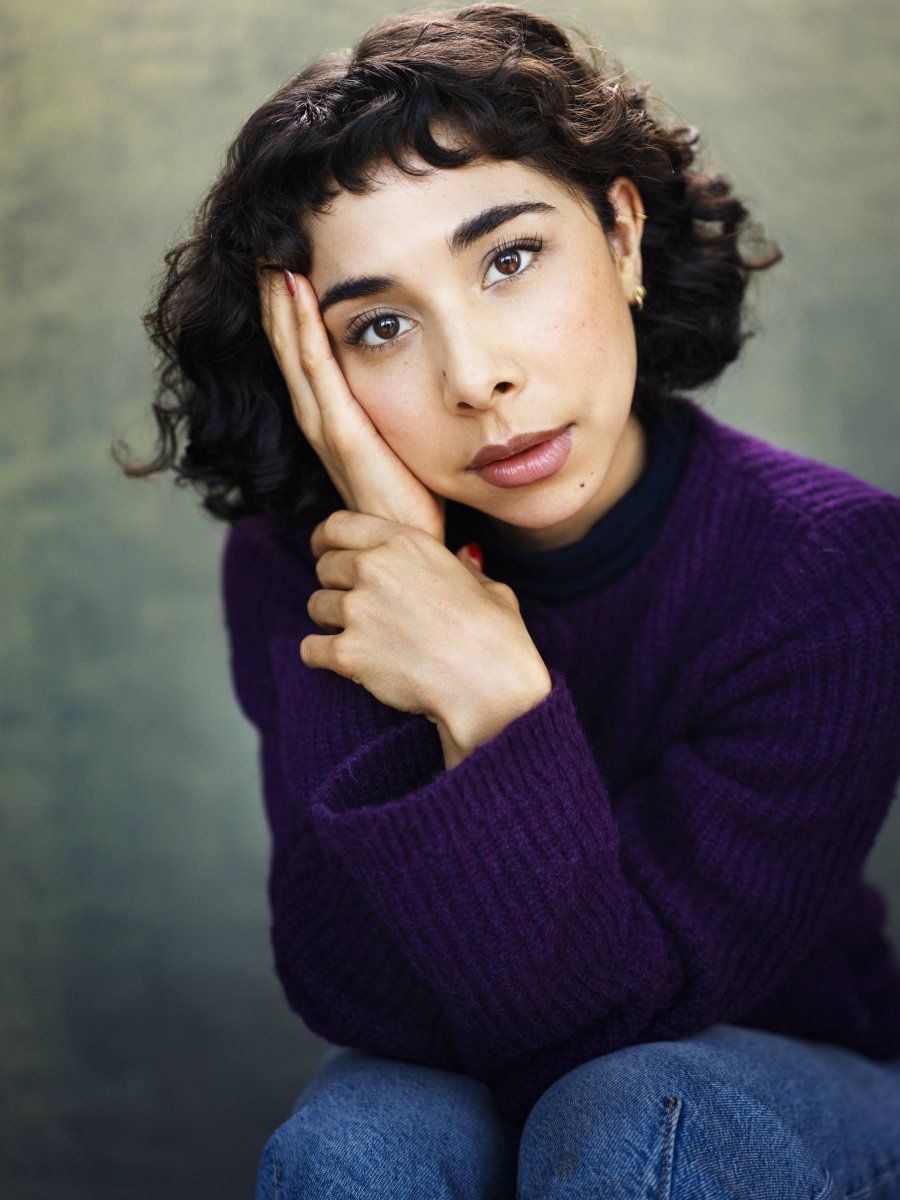
When she learned that The Public Theater would be presenting a new production of the classic tragedy, she took the initiative to submit her materials directly to the creative team, sharing her self-tapes, monologues, and headshots with the hope of becoming part of the project. The process quickly developed into a professional audition journey, leading to multiple rounds of auditions and callbacks before she officially joined the company.
The selection process reflected the high standards associated with one of New York’s most respected theatrical institutions. After completing auditions and callbacks, Gilda entered an intensive rehearsal period that began in March and continued through the production’s opening performances in May.
For an artist accustomed to the discipline and demands of professional theater, the experience represented a new level of creative immersion. The rehearsal process required patience, adaptability, and constant artistic discovery as scenes continued to evolve throughout previews. Days often involved extensive rehearsals followed by performances and additional adjustments as the company refined the production.
Unlike a traditional process in which a performance remains fixed from the beginning, Shakespeare in the Park productions develop through collaboration, allowing directors, designers, and actors to continue exploring the material throughout previews. For Gilda, the process offered the opportunity to work inside a highly collaborative environment where every detail—from movement and pacing to character relationships—was carefully examined.
At the center of Ali’s interpretation was a vision of Romeo & Juliet that reflected the complexity of the world audiences experience today.
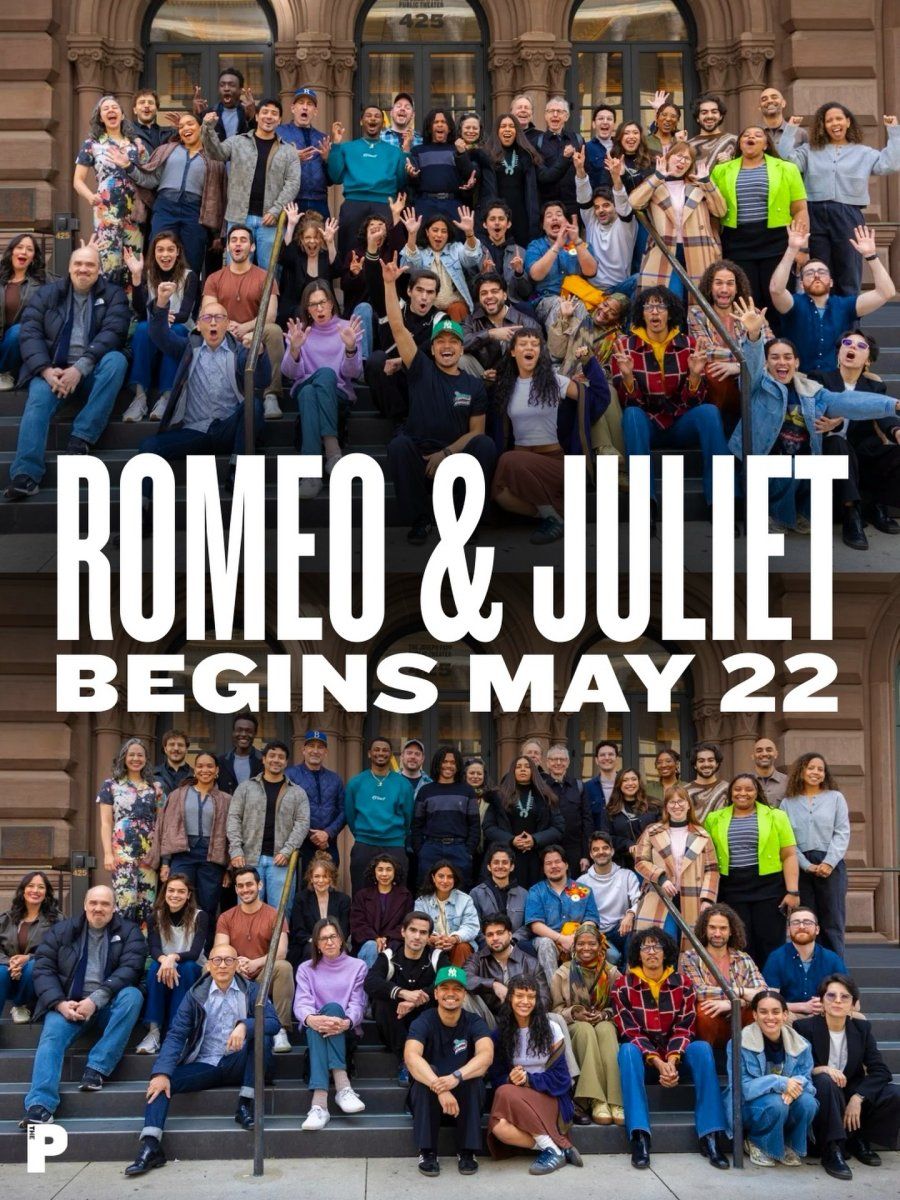
The production unfolded in English, while Romeo and Juliet communicated with one another in Spanish, creating a bilingual theatrical experience that emphasized both cultural connection and emotional universality. Through this approach, Shakespeare’s centuries-old conflict between the Montagues and Capulets became a contemporary examination of division, community, and the question of who is considered an outsider.
The production’s ensemble reflected that same vision. Bringing together artists from diverse backgrounds—including Latino, Afro-American, Asian-American, Haitian, Brazilian, and other cultural communities—the company represented the multicultural reality of modern America. The result was a production where Shakespeare’s themes of family, conflict, and belonging resonated through a distinctly contemporary lens.
Within this ambitious ensemble, Gilda contributed to the production through a dynamic multi-character performance. Rather than being limited to a single identity onstage, she became part of the fluid theatrical language that defined Ali’s staging, moving between different characters and dramatic moments throughout the performance.
The demands placed on the ensemble required exceptional versatility. Actors were called upon to shift between characters, movement sequences, and emotionally charged scenes while maintaining the precision and discipline necessary for Shakespearean performance. Each transition contributed to the larger world of Verona, reinforcing the idea that every performer was essential to the storytelling.
For Gilda, the work represented an opportunity to expand her artistic range and engage with one of the most influential theatrical texts in history. The process required deep character exploration, vocal work, physical awareness, and the ability to respond immediately within a constantly evolving production.
Performing as part of such an accomplished company also placed Gilda alongside artists with extensive careers across Broadway, film, television, and theater. The cast included celebrated performers such as LaChanze, Glenn Fleshler, Deirdre O’Connell, and other distinguished members of the theatrical community, creating an environment defined by artistic exchange and collaboration.
Sharing the stage with performers whose careers span decades provided a unique opportunity for creative growth. Within a production of this scale, every rehearsal and performance became an encounter between different artistic perspectives, reinforcing the collaborative nature of theater itself.
Yet perhaps one of the most unforgettable aspects of Shakespeare in the Park is the stage itself.
Performing at the Delacorte Theater creates an experience unlike any traditional indoor venue. Actors perform beneath the open sky, surrounded by the natural landscape of Central Park, where weather, wind, unexpected sounds, and the energy of a live audience become part of the performance.
For the company of Romeo & Juliet, each evening brought a new experience. The presence of nearly 1,800 audience members, the atmosphere of the Park at night, and the connection between performers and spectators created a theatrical environment that could never be replicated.
For Gilda, becoming part of this tradition represented more than a single production credit. It marked her arrival into one of New York’s most significant theatrical institutions and demonstrated her ability to contribute to large-scale, artistically demanding productions alongside some of the field’s most accomplished performers.
As Romeo & Juliet concluded its run at the Delacorte Theater, Gilda’s Shakespeare in the Park debut stood as a defining chapter in her artistic journey. Her participation in The Public Theater’s landmark production reflected the qualities required of today’s professional theater artists: versatility, discipline, adaptability, and the ability to contribute meaningfully within a collaborative ensemble.
In a production built around questions of connection and belonging, Gilda became part of a larger artistic conversation—one that continues to shape the future of American theater by bringing together diverse voices, global perspectives, and artists committed to keeping timeless stories alive.