


Interview: Jeremy Pinsly on Opening Greenpoint Comedy Club
'You can expect special guest drop-ins, good hangs, good vibes, good music, and good drinks - that's the whole vibe of the place'
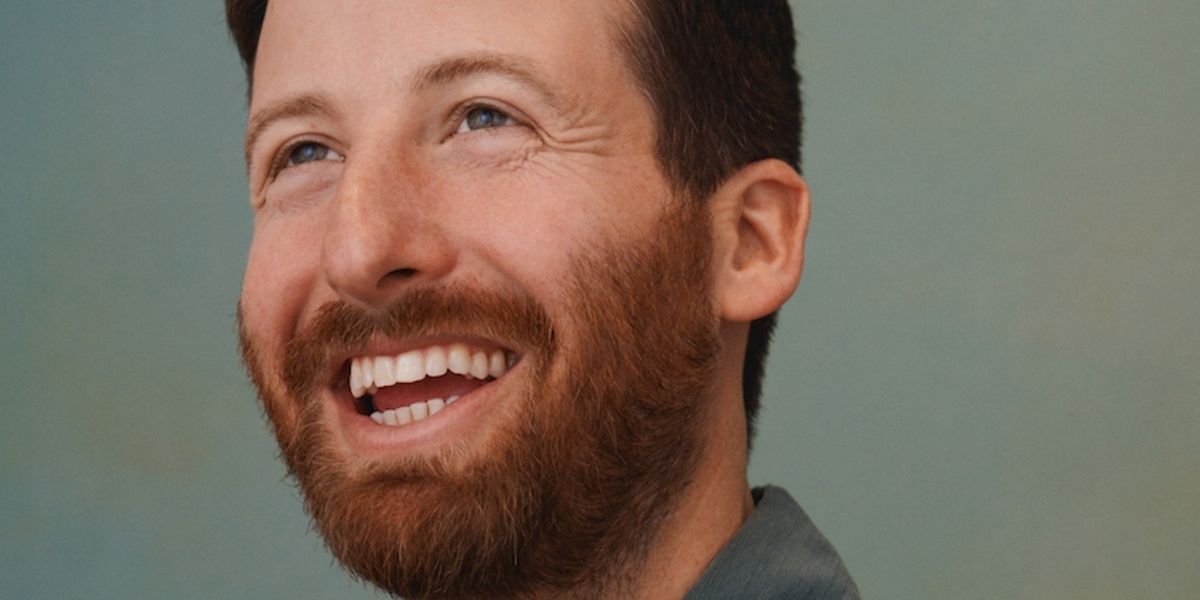
Last month, the Greenpoint Comedy Club opened in Brooklyn, NY. We had the chance to speak with Jeremy Pinsley, the founder of Greenpoint Comedy Club. We discussed his decades-long journey in the world of comedy, what it’s like to open a comedy club, and even what he hopes people will take away from a night at Greenpoint.
[This interview has been edited and condensed for clarity.]
How did you first get started in the world of comedy?
That goes back to childhood! I had always liked being funny, giving speeches and that stuff. Then I was working at a marketing agency in Dallas. I was a finance major in college, just going in the direction I thought you were supposed to go. A friend of mine told me that I should do an open mic, and I was like, “What?” I'd always loved stand-up, but I had never considered it as a career for myself. But this friend planted the seed. I started taking improv classes for fun in between work - I was the funny guy at work, too. And also, I didn't care that much about marketing. I was like, “I'm never gonna wake up and be like, ‘State Farm today, whoo!’” I knew I would never be able to give my all to that career. So it was a two-year process of, “You know what? I'm gonna just cut this cord, move to New York, and figure it out, see if I've got what it takes.” That was the initial mindset.
And what made you want to create the Greenpoint Comedy Club?
Starting out doing comedy, I was doing “bringer” shows, which is when you make a bunch of young comics bring people to make a show happen. And I don't like it, because you’re dangling a carrot in front of these young comics, like, “Hey, keep bringing people, and things are going to happen.” It's not going to happen. You're just going to make these people money. And the shows are not good, because you have twelve young comics on a show - no audience is going to leave that being like, “I should see more stand-up!” It's bad for the brand of comedy, it's bad for the comics, it's bad for the audience, it's just good for the one person who gets to make money off the show. So I definitely fell into that trap early.
Then I was promised an audition show. I wasn't able to get people into the show because it was sold out, and they didn't let me audition. And I was so angry about that. So then I started running my own shows. I started realising there's a whole community of comics that are actually funny and fun to be with in this whole community. So I started running shows in the Upper West Side, which was great. I was paying people for that, and I realised, for $40 a night for a spot, you could get pretty much any comic you wanted. That was good spot pay at this point, which was crazy to me! Mark Normand, Michelle Wolf, Joe DeRosa, Greer Barnes, Carmen Lynch ... Just these amazing comics! That show lasted about a year, because that restaurant was dying.
So I then ended up taking that show to Brother Jimmy's in Union Square, which is where I worked as a bouncer, which is funny when you see what I look like! I ran that show for two years, and I got my name going in the city as a guy who runs good shows. I then was trying to make it on my own as a comic, but ultimately realized producing shows is my favorite thing to do. So my girlfriend at the time - now wife - and I started running shows in our apartment. It was her idea! We started with 17 of her friends, then we maxed out at 35 people. It was strangers, it was friends, it was everybody. They sold the building out from underneath us, which was devastating. But then a friend in the neighbourhood reached out and was like, “Do you want to run your show here?” Her brownstone was even bigger, so we were getting 60 people a month to this really cool show. My wife would bake cinnamon rolls, and we built this whole community about the hang and being together, not just the show itself. So we were building this whole thing, and then she went to sell her apartment.
I was so sick of building something great, and then other people being like, “Sorry!” My number one rule was, if you run a good show, book it as quality as you possibly can, and don't make any sacrifices, the audiences will want to come back. That has been a foolproof concept since I started running shows. So with that in mind, I just needed a place to do this full-time. I didn't want to play the Instagram following game, and I was so sick of competing against comedians, being like, “I'll never be that.” It was like, “Wait, I love comedy. I shouldn't be angry about seeing someone that's incredibly good - I should be grateful.” So it all led me to trying to find a space.
So we found this space in Greenpoint. I remember a real estate agent told us, “Don't let the venue fit the dream. Let the dream fit the venue.” Don't find a venue and go, “Okay, well, we can make this work.” Have an idea of what you want, and go find that place. So we passed up on a few spaces. One thing I noticed was missing in a lot of clubs in the city was the hang. And to me, the comedian loves the hang - it's what we thrive on. It's where we make friends, synergize ideas, come up with a new podcast idea or a script to work on with each other. A lot of clubs were great clubs, but there wasn't a big bar area to hang out at. And when I first started comedy, there were all these bar shows. I felt the scene was becoming more segmented post-COVID, especially with Instagram culture and the way people are fighting for themselves. Comedians thrive working together. When we saw this [Greenpoint], I was like, “This is the dream.” We had a huge showroom, and we were able to build a wall to make a green room in the back. It seats 70-ish people, and we have this huge bar in the front and a front porch. So when you take the cool neighborhood vibes, the community aspect of Greenpoint, the need for a venue like this here . . . When we saw the space, I was like, “We have to get it! Let's build our dream comedy club!”
How exactly does one create a new comedy club?
The explanation I use is I feel like I tumbled down a mountain and landed on my feet and was like, “Ta da! Yes, I knew this the whole time it was going to be like this.” When we saw the space, it needed a lot of work. The bones were good, but it was neutral and sterilised - it looked like an after-school or church program place. We had four months to get it built without having to pay rent, so that was our deadline. And we were very fortunate to have a family friend who was a contractor. So we were working with someone who cared about the project, which was crucially important to us. Basically, we had general ideas. We needed the bar to be updated, we wanted to build a seating area in the front bar, we wanted to build a wall to make the green room, we had to get rid of a second bar, and we had to update the bathrooms. There was all this stuff that just had to be done.
So from there, we had a budget. You go into debt, and you just say, “I believe in this idea, and we are going to go and do this every day.” And then we gotta get staffing, figure out the health code stuff, the permitting issues, the legal stuff, the liquor licence . . . You gotta get a bunch of signatures on your petition. You gotta meet with the community board. It is just red tape obstacles. Just to get to opening is like running a marathon, and now, the race has begun. It was the most stressful process, but there was just this deep feeling underneath, like, “This is gonna work.” I was fortunate to have 15 years of stand-up and comedy experience. I knew how to start getting the word out through the comedy community. I knew I'd be able to book good shows. I had a core of people who I knew would gravitate to our club, and they were good enough to get us going.
And since then, word of mouth has spread like crazy. Bigger comics are reaching out to me. We've sold out every weekend show so far. We just added our second show on Saturday. We're working to get to seven days a week. We have open mics six days a week right now. I built this whole club from the perspective of a comedian. From the way you walk to the green room, we have a curtain built so that you're hidden. The front bar area is nice, the stage is low, we have a professional lighting and AV system, we have a 6K camera recording everything. Everything was just, “What does a comic need to feel good at a club?” If we provide that, then we're good.
A comic can do an open mic here, they can do a guest spot, They can get paid for a 12- to 15-minute spot. We're going to have a bunch of headlining nights. You can record a special here. You can literally do anything you want at this place, and it's going to be full service. So if you're an established comic, you can get paid for your spots, record your hour, run your hour, whatever you want. If you're a new comic, we have a good open mic system building. We have different comics running each mic, and I'm giving them the leeway to run them however they want. And then on top of that, I have my favorite comedians wanting to produce shows here! We have a burlesque cartoons and comedy show run by Hilary Campbell, who's a cartoonist for The New Yorker. My friend Pat Bircher is running a show called Paturday Night Live. I don't even know what that means, but we're gonna try! Comedians You Should Know, the longest running stand-up show in the city, is no longer at The Gutter - they're starting here this week.
So not only is it producing and booking really quality showcase shows, running good open mics, and doing headliner nights, it's also having really good produced shows by comedians that I respect. I don't care if you have a big Instagram following. I don't care if you can get people in the room. I care if what you're doing on stage is entertaining and funny, and there's something there. And that's how I develop everything here.
So you just recently had the club’s opening weekend. What was that like?
It couldn't have gone better! We had sold-out shows, we had such good lineups. The Saturday night show, it was like fifteen cartwheels into a back handspring into a triple backflip, you land it, and your cigarette is still lit, and you're like, “Are you not entertained?” That's what Saturday night felt like. And at the bar, the energy was just so good afterwards. All those months of stress and debating whether we were even going to make it to opening, and then you see it in real life. It was amazing. It felt so good. We ended up getting mentioned in The New York Times based on the opening, which was cool! Three weeks in, and they're saying we're one of the 13 places in New York to see great comedy. We've only been open for three weeks, but I've been doing this for 15 years, so it's not new. So I'd say the grand opening was the perfect way to kick things off. I'm still blown away at how quickly things seem to be going for us, how well things are going for us here.
What can audience members expect from a show at Greenpoint Comedy Club?
Well, if you're talking about a house show, like our standard house show, I've been hosting most of them. If we get audience feedback that they want me to stop, I will stop! [Laughs] I like hosting, and it's been working out really well so far. So I host most of them. If not, I book really good hosts in the city, but I book four to five comics. They're all incredible. They're people who have been doing this for a long time. They have late-night credits, they have albums out, they have specials out on Netflix, YouTube, Hulu, and Amazon. We have special guest drop-ins. Brett Goldstein, who played Roy Kent on Ted Lasso, came in and did a one-nighter. We had Judah Friedlander come all weekend. This past weekend, Sean Patton came on a Thursday night, and then he ended up coming back every night that weekend! So you can expect really solid stand-up shows featuring my favorite comics - diverse lineups, all types of people from different walks of life. And you can expect special guest drop-ins, good hangs, good vibes, good music, and good drinks - that's the whole vibe of the place.
As someone who's been in the comedy scene for so long, do you have any advice for those looking to get into the world of comedy?
I think all young comics should produce. It's the best thing that has ever happened to me, and it's important. But I started doing “bringer” shows. I don't regret it, because I got early stage time in front of real audiences, I got tape. Not really the path I would recommend, but you gotta get stage time. Whatever city or market you're in, figure out who the comics are in your city, where the bar shows are, what the clubs offer. If it's an open mic night, just start doing open mics. But start meeting comedians! Forget the booker at the club, because that's a hard wall to get through. Start meeting comedians in your area, figuring out where they're going, and then go watch shows. Watch Netflix specials, write, take classes, whatever you have to do to start feeling like you're growing. Just be a sponge and absorb whatever you can. But definitely start figuring out your scene and how it works.
I started in New York City. It was a big scene for a new comic to start at. There are pros and cons to that. I don't necessarily recommend just moving to New York if you have no experience, unless you've got a support system here. But we live in a day and age where you can be in any market, and you can create a voice for yourself. So take some time. People go, “What's the number one issue you see when you see a new comic?” All amateurs rush the tempo. They're panicked. They don't know how to sit it in the pocket, in the silence. It's an extra half beat or an extra full beat, if you're really rushed. How to find a rhythm and timing - that's what takes years to develop. So I really want comics to not only not rush on stage, but don't rush the expectation of what you're gonna get out of comedy.
And I honestly don't wish it on anyone to get lucky early! Gary Gulman says, “It’s better to be seen two years too late than one second too early.” As soon as you get discovered too early, your flaws are going to come out, and you're going to set yourself back. So be patient. Enjoy the process. Get a side job or a full-time job. You're not going to pay your bills like that, but just absorb. Watch specials. Live in comedy clubs. Go to open mics and do what you can. And as far as producing shows, producing gives you so much weight in comedy. Now I can go up to a comic I respect, and instead of being like, “Hey, I'm a comedian,” and they're like, “Okay, cool, I don't know what you want me to do with this,” I can be like, “Hey, I run a cool show on Tuesday. Would you like to do it?” And they will want to do it. Now you're giving them something.
If you run a good show, they start to know you. You start getting known just through running a show at an early stage, so you get to work with your favourite comics. You get to build your own audience, which is super important, because every show you run, you get all the email addresses. People think it's Instagram following, TikTok following - it's emails. If you have the email list, you have direct access to people. On Instagram, you may post something, people may see it for half a second, and then forget it. But email, you are getting right in their faces, and you're building a rapport with people who trust that you run a good show. If they know you run a good show, they're going to come back. So you're building an email list, you're building your own autonomy in a business that's really hard to find autonomy.
In my opinion, autonomy is the most valuable tool you can have in this game. So find a venue that supports you. If you have a venue that supports you, the show has so much more potential. You have a machine behind what you're doing. Work with a venue that's going to help promote, because that's going to make it so much easier for you. The last thing I'll say about producing, get creative! Think like a marketer. Don't be a comedian that's like, “I don't do the business.” You're not going to make it. You're not going to be so funny that you don't have to do any business stuff. You have got to put on your marketing hat, design your flyers, build a team or a system. Canva makes things easy nowadays, so get creative with your marketing and your advertising. Be willing to bark. I have barked for many shows. Do what you have to do to get people in and book good comedians. Don't just throw your friend Steve up because he's your friend. These audience members could do anything that night. It's hard to get out and go somewhere, and sitting through a bad night of comedy will make you never want to go again. So book the best you can get people to like what you're building, and then you're going to build a good show and potentially a good brand for yourself over time.
What do you hope audiences take away from a show at Greenpoint Comedy Club?
One of my favorite parts is I'm hanging [in] the back, and people are just smiling. When they leave and they have this smile on [their] face, and people come up to me and say, “We are so glad to have this in the neighborhood, we'll be back.” “Oh my god, that one comedian was so funny,” or “This was just such a great night!” That's what I want people to leave with. We're living in a world where isolation is happening to more people. It's a problem. We're having a harder time finding community, because social media does not necessarily lend itself to community, and community is what we all crave, even if we don't realise it. So for me, it's a sense of community, even if it's for that one show - we were all together, we had a good time. And then you can carry that off into your life, and then hopefully come back. That would be great. But really, I want them to leave here and be like, “Man, that was just a really fun experience from start to finish. The drinks were good, the show was good. I got treated with respect.” Just leave here feeling better than you did coming in.
And finally, how would you summarise the Greenpoint Comedy Club in one word?
It sounds so cheesy, but it is “community.” You could go “funny,” but community truly is the word because, community can mean so many things. It's an individual community for each show, which makes each show special. It's the comedy community. It's the ecosystem of young comics and older comics coming together in a space where everyone feels comfortable. It's the community of Greenpoint, and a place so that people in this neighbourhood go, “Oh, we have a great comedy club here!” It's taking ownership of what we're doing, being a part of the community, where we can help as a business and help Greenpoint thrive as well. So if I had to sum it up, we're all about community.
Photo Credit: Mindy Tucker
Learn more about Greenpoint Comedy Club on their website at www.greenpointcomedyclub.com
|
The Jackie Mason Musical-A Comedy Actors Temple Theatre (7/25-7/26) |
|
Broadway’s Next Hit Musical, feat A.J. Shively & The Best Improvisers in NYC! 54 Below (7/20-7/20) |
|
Broadway Originals, feat. Stephanie D'Abruzzo, David Sabella, & more! 54 Below (7/17-7/17) |
|
Paulo Szot 54 Below (7/22-7/22) |

|
Linda Eder 54 Below (9/23-9/23) |
|
Something To Be Proud of: Act 2 54 Below (10/07-10/07) |
|
You’re Like, Really Pretty: Broadway’s Best Makeovers, Glow-ups and Transformations 54 Below (10/20-10/20) |

|
Brent Comer 54 Below (9/26-9/26) |
|
New Musical! A Million Moments on the Mackinac Bridge by Hudson Orfe 54 Below (10/13-10/13) |

|
Lucas Beltran: Fabulous Places! 54 Below (9/02-9/02) |