


Interview: Theatre Life with Kemi-Bo Jacobs
The talented actress on performing with the esteemed Royal Shakespeare Company in Hamnet and more.
.gif)
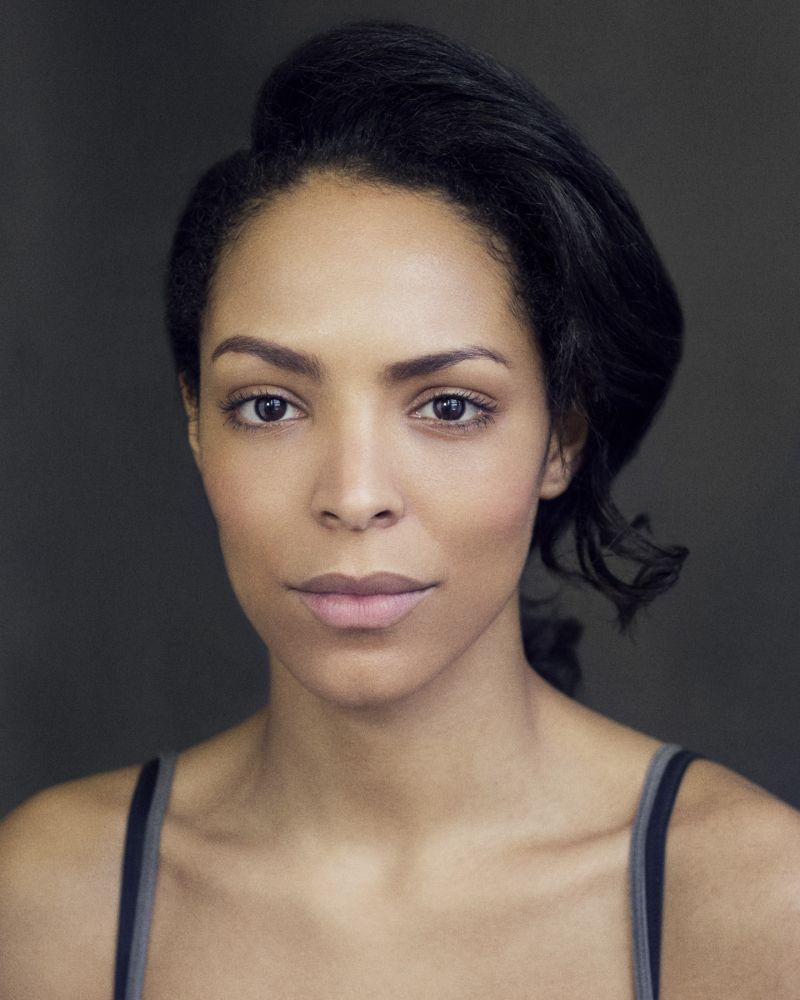
Today’s subject Kemi-Bo Jacobs is currently living her theatre life onstage playing Agnes in the esteemed Royal Shakespeare Company’s (RSC’S) production of Hamnet. Yes, this is the role Jessie Buckley recently won the Best Actress Oscar for, just to end the comparison thing now. The show is presented by our very own Shakespeare Theatre Company (STC) and runs through April 12th at Harman Hall.
This is not Kemi-Bo Jacobs’ first time performing with RSC. She last worked with them in their production of The Winter’s Tale.
Other past stage credits include tours of Ocean at the End of the Lane (West End and National Theatre Tour), and All My Sons (Manchester Royal Exchange and UK Tour), Coriolanus at National Theatre, The Other Boleyn Girl at Chichester, Wild East at The Young Vic, and The Sweet Science of Bruising at Southwark Playhouse.
You might have also seen her in the films A Million Days, and London Has Fallen or in TV episodes of The Letter for the King (Netflix), The Great (Hulu), McMafia, Thirteen, Delicious, The Honorable Woman, Lewis, and Doctor Who.
Washington, DC is an international city, and the arts scene here has always reflected that. The fact that we are afforded so many privileges for companies like RSC to perform here is something that we should never take for granted.
Please consider grabbing some tickets to Hamnet at STC and see for yourself why Kemi-Bo Jacobs, a very talented actress, and her RSC castmates are creating a theatrical experience you’ll be so glad you attended.
Kemi-Bo Jacobs is truly living her theatre life to the fullest.
How did you get interested in performing?
I grew up in a creative household where we were encouraged to be creative and use our imaginations. We had this really fantastic dressing-up box — I'm sure lots of people had one growing up — with all these amazing things in it. My mum used to go to jumble sales (you may not have those in America) and she'd find all these fantastic vintage pieces: old dinner jackets, satin gowns, things like that. My siblings and I would dress up and imagine we were kings and queens, and then we'd create little performances to show our parents. I think that was my first memory of performing and of having an interest in what it would feel like. I'd say it started there.
Where did you receive your training?
I went to a really wonderful school called the London Academy of Music and Dramatic Art — known as LAMDA. I had the best time training there alongside people from all over the world, some fantastically talented people. I was taught by some brilliant practitioners, who were passionate and committed. It had a lasting effect on my practice and on me as a person. I used to love walking down the corridors where you could hear the thunder of a tap dance class, the clang of metal meeting metal from the stage combat room or someone practicing an aria. It was rich with the history of those that had gone before and alive with the dreams of those like myself, that were there.
What was your first professional job as a performer?
I was really fortunate that my first professional job was a TV series called Lewis, which was a spin-off from Inspector Morse — a hugely successful show in the UK. I remember watching Inspector Morse with my grandparents, parents and siblings on Sunday evenings; it was a multi-generational show, and I have really fond memories of it. So, I was beyond thrilled to land a role in Lewis. My character was called WPC Julie Lockhart — quite naive and green, but lots of fun.
The best part of that job was working with the lead, Kevin Whately, who gave me the most brilliant example of what great leadership looks like. At the readthrough, which is where all the creatives meet for a table read, I mean everyone is there; actors, producers, directors, various departments — which can be quite daunting as a newcomer — I remember him getting up and shaking hands and saying hello to every single person in the room, including me, who was very green, very shy and very nervous. I just thought what a fantastic example. He set the tone; he put everyone at ease. I had the best time on that job.
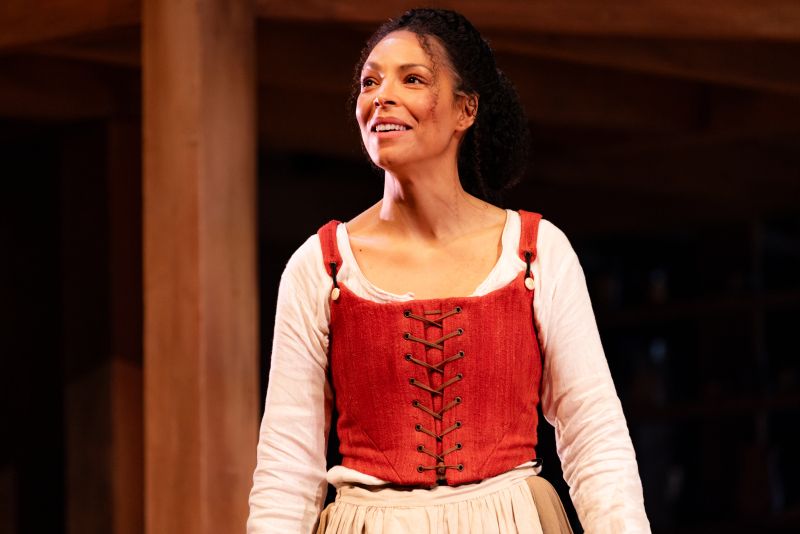
Photo by Kyle Flubacker.
Can you please give us a brief overview of Hamnet and also how do you best describe your character in the show?
Hamnet is an adaptation of Maggie O'Farrell's 2020 novel. It's a dramatization of a historical period that focuses on William Shakespeare — but rather than the well-known public figure, it looks very much at his family, and particularly at his wife Agnes and her experience of being married to him, building a life and a family together. At the heart of the story is the death of their son Hamnet.
Agnes is an extraordinary woman — free-spirited, close to nature, a herbalist who uses remedies to heal people. Like so many women in history, she has largely been erased from the historical record or made small and insignificant. But she must have been a huge influence and anchor in William's life. She raised their family, was industrious, set up her own practice as a healer in Stratford-upon-Avon, and came from a family of farmers with a deep connection to the natural world. This play really celebrates who she was and brings her out from the shadows. Despite their loss it's a great love story. And it invites audiences to imagine Shakespeare's life in a much fuller and more glorious way, shining a light on a part of his world that is so rarely spoken about.
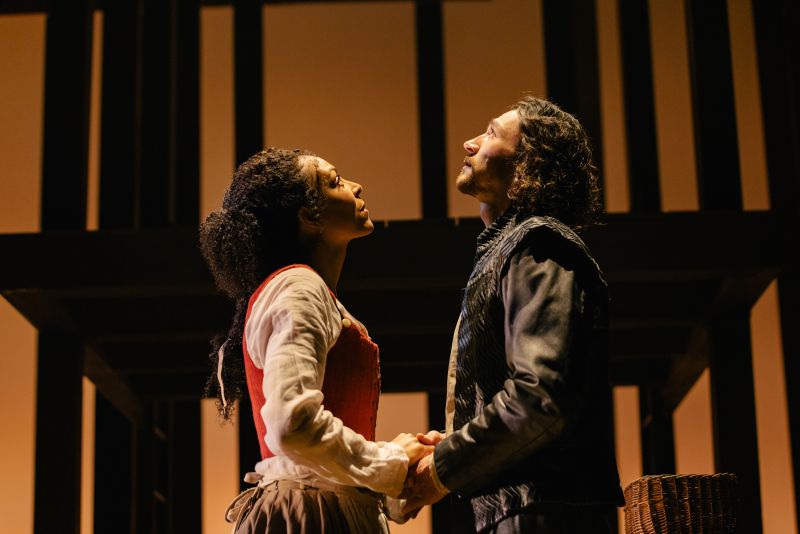
in the Royal Shakespeare Company’s production of Hamnet.
Photo by Kyle Flubacker.
With the recent success of the movie version of Hamnet, it might be hard for some not to draw comparisons between it and this stage version. What would you say is the biggest difference between the two?
I should say that, like many of the cast, I made the decision not to see the film until we had completed our work on this production — so I can't personally draw a direct comparison. That said, I'm very much looking forward to seeing it. The most obvious difference is simply the medium: one is film, one is theatre, and we are working in two very different art forms. But I think that speaks to the wonderful artistry and imagination of Maggie O'Farrell — that her creation can be interpreted so distinctly and that these two projects can coexist in the world and offer audiences something so different. I celebrate that.
RSC has such a rich history in terms of past performers and productions. What is it like for you as a performer to be a part of a show that is produced by such a legendary theatre company?
The Royal Shakespeare Company has an incredible heritage and brings extraordinary standards to everything it does — it has huge respect for every member of the creative team, from the actors to designers to stage management and the backstage team. They truly care about the craft, and in a world where arts budgets have been cut and the industry is facing tough times, it is a delight to work for a company that strives to be ambitious and make the best work possible despite economic challenges.
Playing Agnes is probably one of the greatest privileges of my career. The company that RSC has assembled is truly remarkable — incredibly supportive, gifted, generous and daring. Every night we perform, we take great pride in telling this story.
After Hamnet completes its run here at STC, what is next for you in 2026 workwise?
I'm also a writer and director, so once I complete this project I'll be making a film with the BFI — the British Film Institute — which I'm very much looking forward to.
I'm also working with Live Theatre in Newcastle on a play about Frederick Douglass and the time he spent touring the UK and Ireland in 1846. Being here in Washington DC, with so much history tied to the abolitionist movement and so many notable Americans with roots or links to this city, has been really valuable in terms of drawing on those resources to inform the work I'm doing on that project.
Special thanks to Shakespeare Theatre Company's publicity goddess Heather C. (Don't Play) Jackson for her assistance in coordinating this interview.
Theatre Life logo designed by Kevin Laughon.
Sign up for all the news on the Fall season, discounts & more...

|
Brian Henson's Puppet Up! Lincoln Theatre (9/30-9/30) |
|
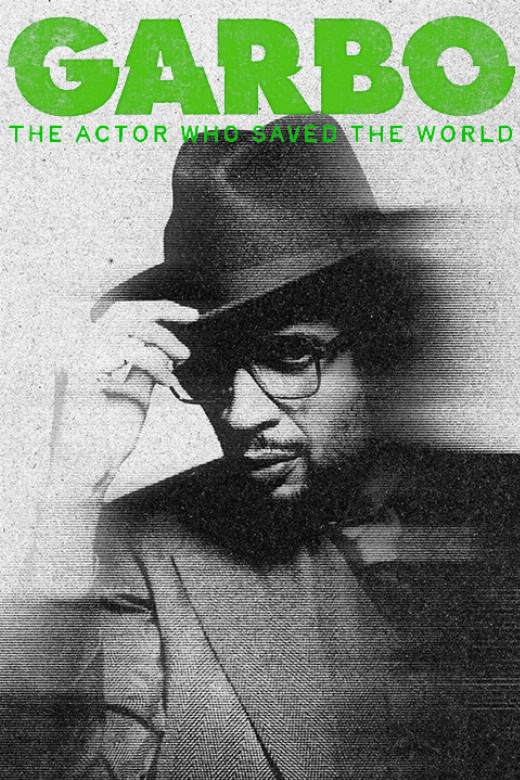
GARBO: EL ACTOR QUE SAVÓ AL MUNDO (Garbo: The Actor Who Saved The World) GALA Hispanic Theatre (9/03-9/27) |

|
Mr. Burns: A Post-Electric Play Clarice Smith Performing Arts Center (10/09-10/18) |

|
Special Event: ARTS By George!: Jeff Goldblum and the Mildred Snitzer Orchestra Center for the Arts (10/03-10/03) |

|
The Second-Best School Shooting NextStop Theatre (9/17-10/11) |

|
Coming to America: An Immigrant Cabaret ExPats Theatre (9/30-10/18) |

|
Some Like It Hot Bernard Family Theatre, Olney Theatre Center (9/18-11/08) |
|
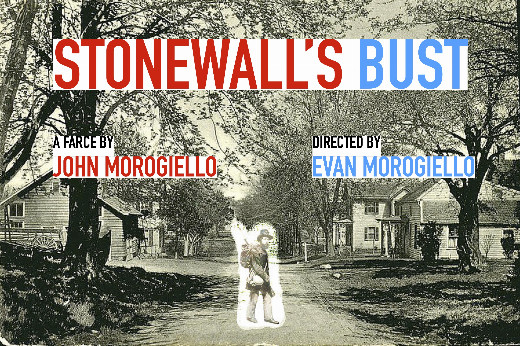
Stonewall's Bust The Writers Center (10/09-10/25) |

|
Rockville Little Theatre presents "Lettice & Lovage" F. Scott Fitzgerald Theatre (1/29-2/07) |
|
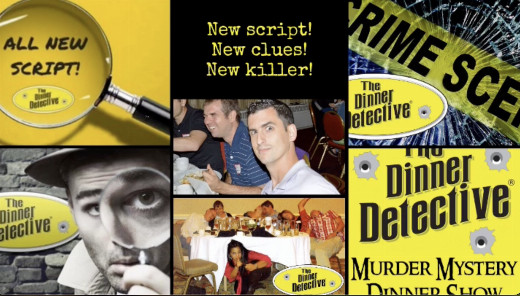
The Dinner Detective Murder Mystery Dinner Show The Dinner Detective Washington DC (9/26-9/26) |
