
Guest Post: It's A Triple‑Threat Syllabus': Alexander Campbell, Artistic Director of the Royal Academy of Dance, On Why Dance and Musical Theatre Training Needs to Evolve
'The Musical Theatre syllabus is a new blueprint for how we prepare young people for a rapidly evolving performing arts landscape.'

For as long as I’ve been a performer, I’ve been fascinated by what makes a performance compelling. Not just technically accomplished or charismatic, but complete. In ballet, we talk about storytelling through movement. In musical theatre, that storytelling becomes a conversation between dance, acting and singing.
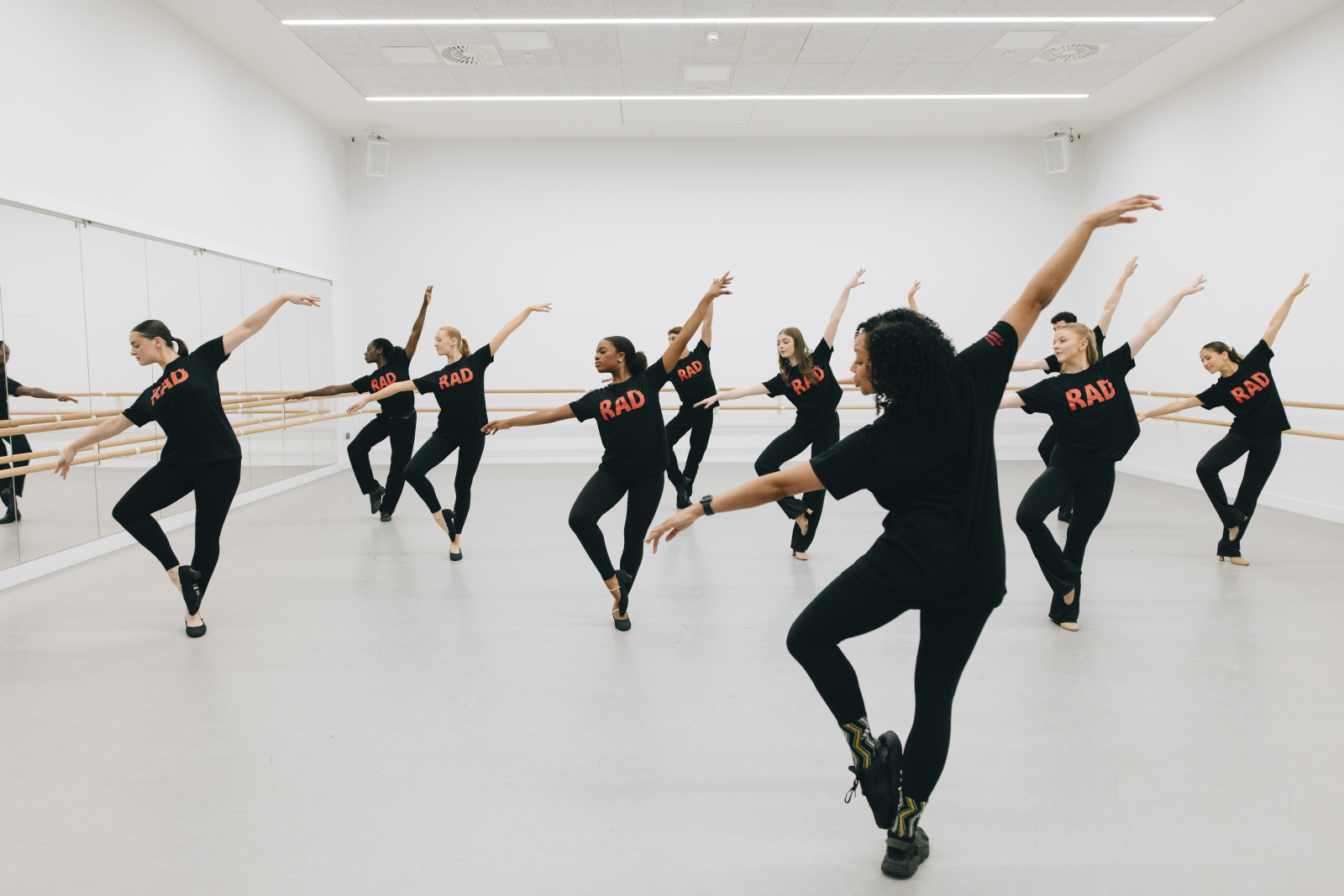
And yet for decades, the training landscape hasn’t always reflected that balance. Too often, young performers have been funnelled into one discipline first and expected to ‘catch up’ with the others later.
The gap between what the industry demands and what training traditionally provides is exactly why the Royal Academy of Dance has created this new Musical Theatre syllabus. This syllabus is more than a new set of grades. It is a new blueprint for how we prepare young people for a rapidly evolving performing arts landscape.
A syllabus shaped by the industry we see today
When I speak to directors and choreographers, one message comes through repeatedly: the industry needs versatile performers. Artists who can shift seamlessly between disciplines and communicate with clarity and confidence.
That’s why our new syllabus places equal weighting on dance, acting and singing from the very first opportunity. It is, truly, a triple‑threat syllabus.
This is about creating opportunity. By giving students a structured pathway across all three disciplines, we’re levelling the Playing Field and providing a ‑high-quality foundation for growth.
Bringing Broadway and the West End into the studio
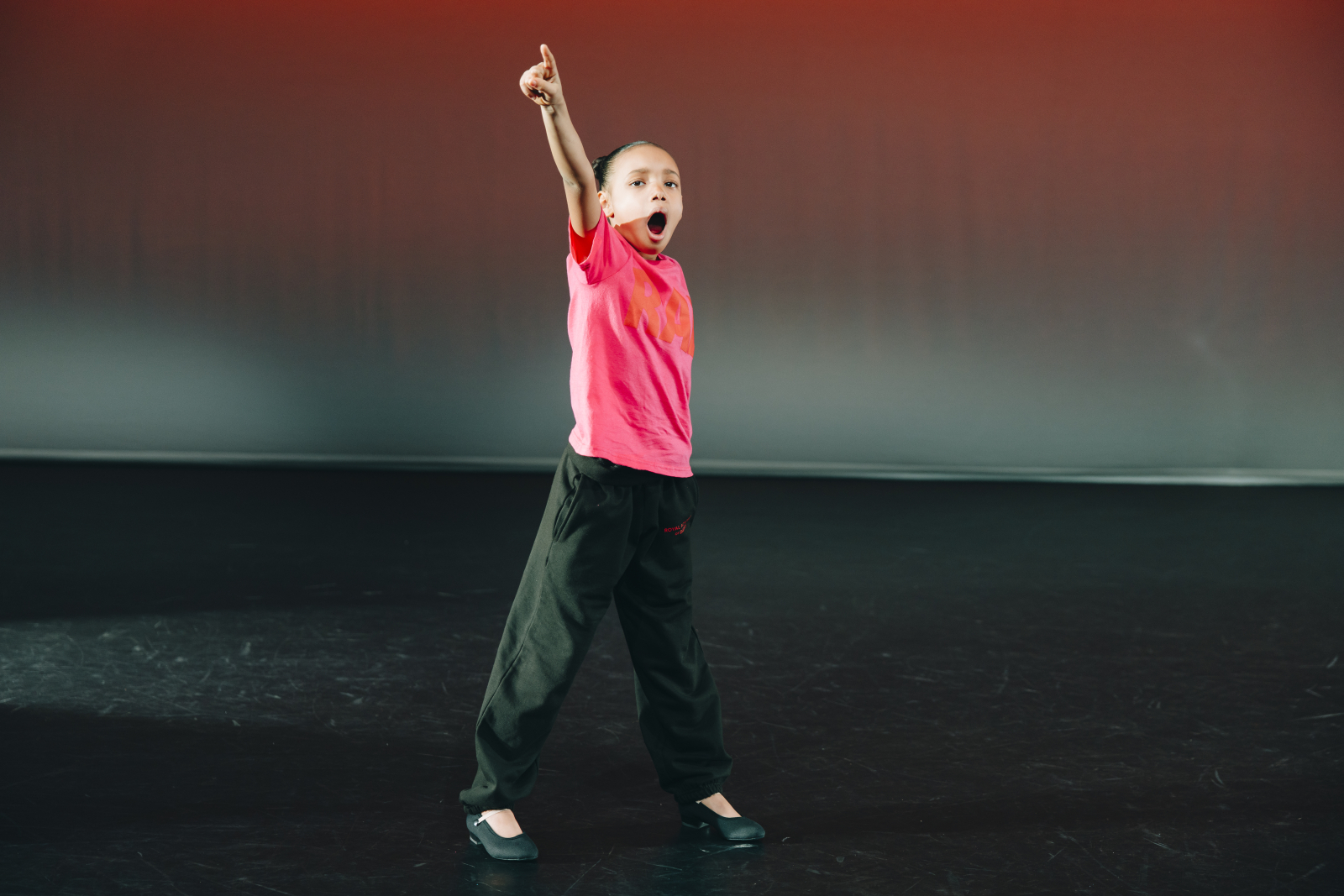
One of the most exciting aspects of this syllabus has been collaborating with some of the world’s most celebrated choreographers. Susan Stroman, Warren Carlyle, Matt Cole and Stephen Mear CBE have all contributed choreography.
When I was a young dancer, the idea of learning routines created by artists working at the highest level of Musical Theatre would have felt unimaginable. Now, students will be able to experience that work firsthand. It’s not just about learning steps - it’s about understanding style, musicality, character and intention. It’s about feeling connected to the art form.
Training performers to think, reflect and communicate
One of the things I feel most strongly about is that performers are at their best when they understand the history and context of what they’re performing. Throughout this syllabus, students are encouraged to analyse character, reflect on their practice and articulate ideas. They learn how to prepare a portfolio, how to present themselves professionally and even how to create a ‑self-tape - an essential skill in today’s audition landscape.
These skills are part of what it means to be a modern performer.
A new chapter for the RAD - and for Musical Theatre education
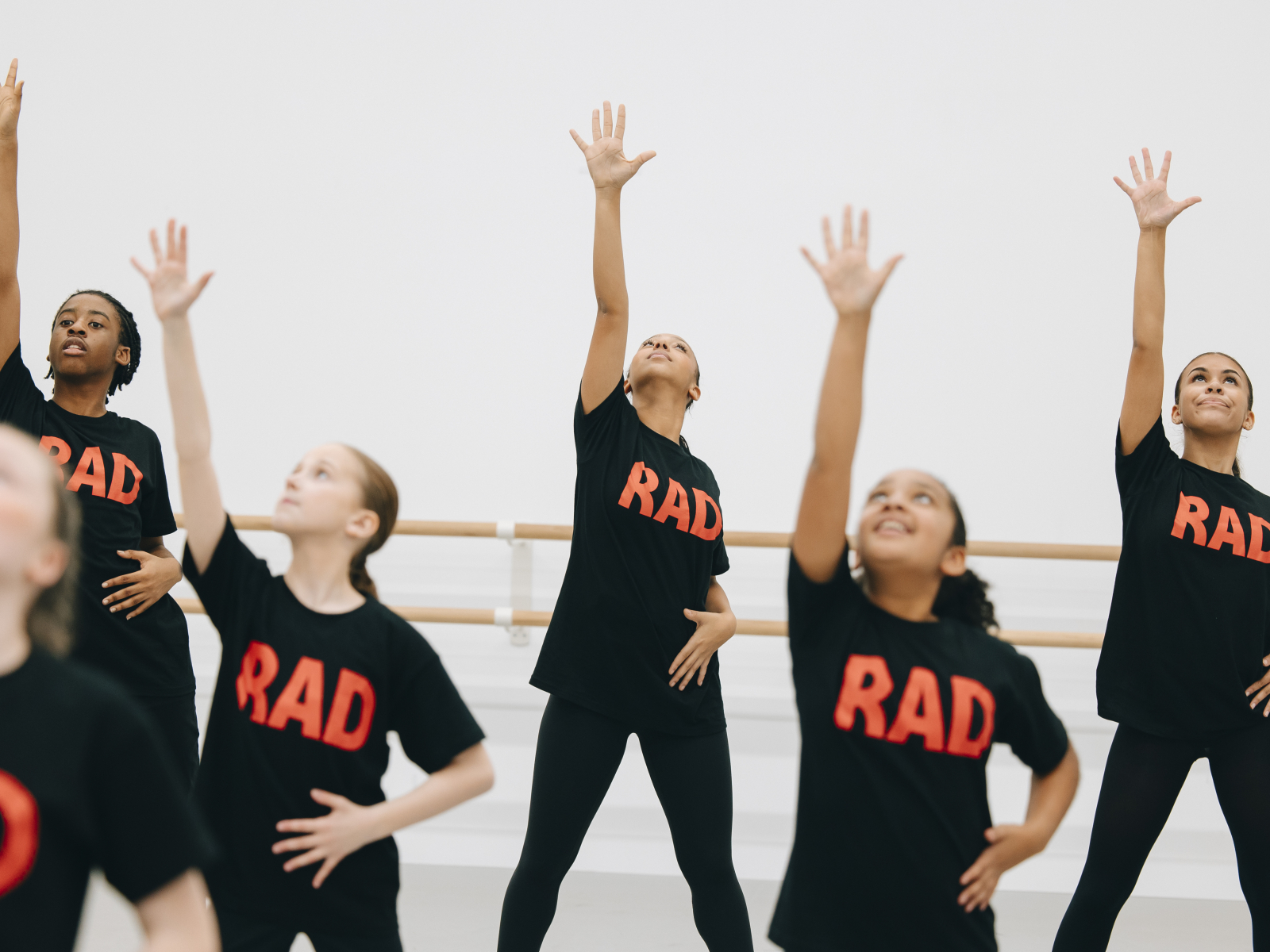
The Royal Academy of Dance has spent more than a century shaping global dance education. Expanding into Musical Theatre is a natural evolution of our mission.
My hope is that this syllabus becomes a catalyst for teachers to explore new ways of working, for students to discover new strengths, and for the industry to welcome a new generation of performers who are versatile and deeply connected to the craft.
Musical Theatre is an art form built on collaboration, storytelling and joy. If this syllabus helps young performers feel that joy more fully, and step into the industry with the skills they need, then we will have achieved something really meaningful.
Teachers interested in teaching the new Musical Theatre syllabus should visit the Royal Academy of Dance’s website to learn more.
Main Photo Credit: Donna Ford

Videos