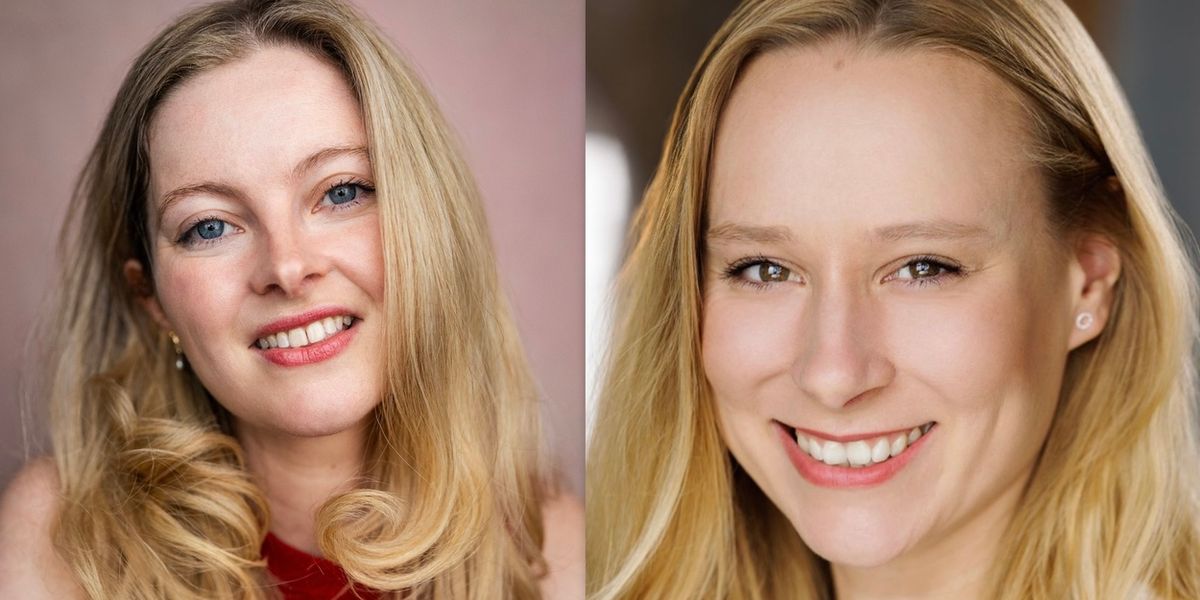
Interview: Kate Hunter And Anita Brokmeier of FISH IN A KETTLE at Fabric Studios, Liverpool
‘If we achieve a small shift of perspective, or people coming out of it being inspired and talking to each other, stirring the conversation, that would be amazing.’
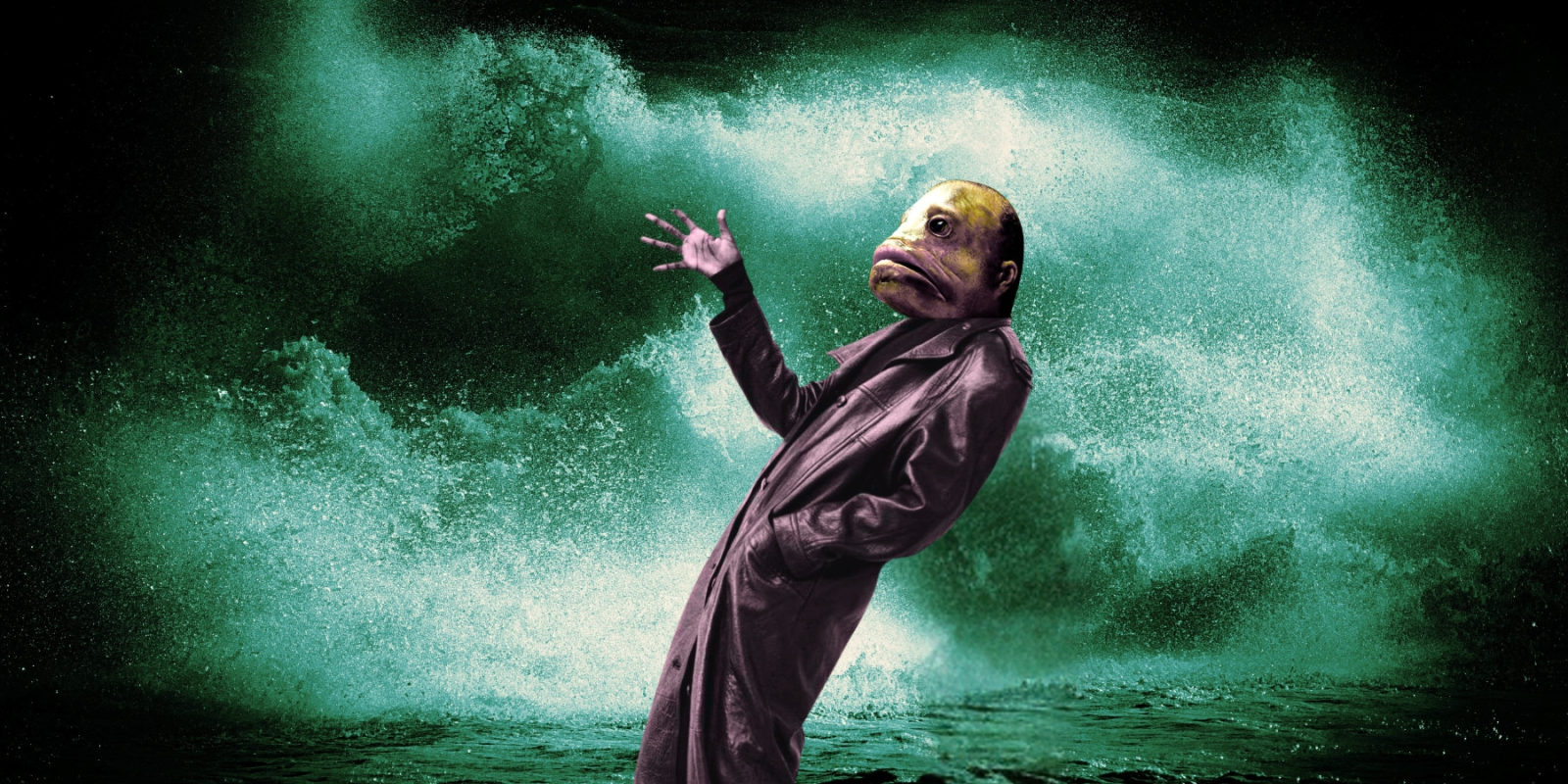
Fish in a Kettle is a brand new immersive theatre experience, which invites the audience to a house party hosted by the ocean in the year 2050. As audiences move through the party, they meet characters who show them different versions of the future from inside the same night.
Ahead of the production opening at Liverpool’s Fabric Studios, BroadwayWorld spoke to co-artistic leads Anita Brokmeier and Kate Hunter to find out more.
Fish in a Kettle is a brand new immersive production. Could you tell us a little bit more about the show?
Anita: Absolutely. The show is an immersive experience that is set at a houseparty in 2050, hosted by the ocean. Audience members can basically choose which character to follow, which spaces they want to explore - so it will be a bit of a non-linear experience, as opposed to having a more conventional theatrical storytelling - and there will be a lot of fun and humour, but also some darker moments and spaces that we engage with. Obviously we’re tackling some themes of climate change emergency, but what we were interested in was to still create an experience that is entertaining in itself.
Kate: The audience will meet three different versions of the ocean, but it is this oracle character who brings them into the experience. The oracle we latched onto quite early. We’ve been working in collaboration with Dr Marta Payo Payo from the National Oceanography Centre and she does something called numerical modelling, as a way of looking at how different factors are going to affect people living on coastal environments in the future. We thought an oracle, coming back to theatrical traditions, would be the perfect mirror for that.
Absolutely - and speaking of the three versions of the ocean, two of the versions are played by yourselves. How did you approach developing your characters?
Anita: I guess a lot of our work is rooted in experimentation. We met at a course at RADA, where everything was about collaborative laboratory approaches. For us, we don’t start in the space with a finished script. We go into the space and really explore with our bodies, but also with material that we have cited before - based on conversations that we might have had - and then we just explore what will uncover itself. It’s like this process of discovery and uncovering at the same time, which is quite exciting. Then we watch each other and talk about our experience afterwards. In those sessions of improvisation, interesting stuff might happen.
Kate: And with the multifaceted ocean, we previously had an ocean character and then we were maybe exploring some human characters. Then we did some workshops with some young people at a theatre school in the Wirral and they talked about the idea that there was the ocean that they see and live with, and this different version of the ocean that’s always presented to them through this idea of of ‘we need to take care of the planet’ and then you see an image of the Great Barrier Reef. But they said, ‘that’s also not what we see when go outside of our doors.’ And we thought that’s really interesting, because yes sure scientifically, the ocean is one big body of water. But actually, to everybody across the world it means different things, it looks like different things and its carried different personalities and that’s how we ended up with these different facets.
That’s so interesting - and you’ve spoken about the collaboration with Dr Marta Payo Payo - how did this come about?
Anita: We reached out to several ocean scientists and she was the one who came back to us, and that’s how our connection to Liverpool came about, because she has worked with artists before. She was quite keen and super supportive throughout the whole process. We had Zoom meetings with her, we also went up to the National Oceanography centre and she showed us around. We did interviews. She was also there when we did the youth community workshop. It kind of felt very easy with her.
Throughout this production, audiences move into different rooms and they get to see different versions of the future. Was this a reflection of the choices we can make in our own lives and how they can affect the future?
Kate: The dramaturgy came from the science. We were interested in this idea that it’s about making predictions. They all exist in the realm of possibility. We looked at - they’re called Future Cones. They are a modelling tool that engineers, scientists and designers use to imagine from where we are now, points in the future. That’s how we sort of stumbled into this pattern.
Anita: Exactly. In this Future Cone concept, you will eventually end up in a point that is maybe possible, probable, preferable and based on that concept we kind of explored the ideas of, ‘ok - how would a dystopian future look like for us? How would a utopian future look like? And what is maybe a bit more possible?’ So those are the three main scenarios that we were exploring in the process.
Wow, that’s fascinating. Without giving anything away, do the audience see each version of the future or do your choices affect the version that you see in the production?
Kate: Everyone sees every version of the future, but they might not see every character inside every space in every version of the future.
So audiences could each see a different interpretation of the show?
Kate: Yeah.
What are you hoping that audiences will take away from this experience?
Anita: When talking about this with Dr Marta Payo Payo, but also when engaging with different community groups, we saw that there is such a strong sense of community and shared space that something we are interested in discovering is to actually have an internal shift. Because only when that happens and we think about the world and how we relate to each other in a different way, only if that internal shift is happening, externally things can change as well and our actions will become a bit more meaningful and genuine and more sustainable.
I guess that’s what we are hoping for, that if we achieve a small shift of perspective, or people coming out of it being inspired and talking to each other, stirring the conversation, that would be amazing. That would be a hope come true.
Fish in a Kettle is at the Fabric Rooms, Liverpool from 25- 31 May
Main Photo Credits: Anita Brokmeier - Credit Adam Hills, Kate Hunter - Credit YELLOWBELLY PHOTO
Videos